Premier Center for Hair Restoration
Specialty & Custom Hair Transplants
Specialty & Custom Hair Transplants in Pittsburgh, PA
Hair loss doesn’t always follow a predictable pattern. For many, it starts at the hairline or crown and gradually progresses, but for a meaningful number of patients, it’s not that simple.
Thankfully, a custom hair transplant by Dr. Brian Heil at the Premier Center for Hair Restoration offers the same caliber of results to every patient, thanks to personalized attention, decades of experience, and sophisticated treatment technology.
If you’re looking for a custom hair transplant in the Pittsburgh area by a reputable provider, schedule a consultation with Dr. Brian Heil.
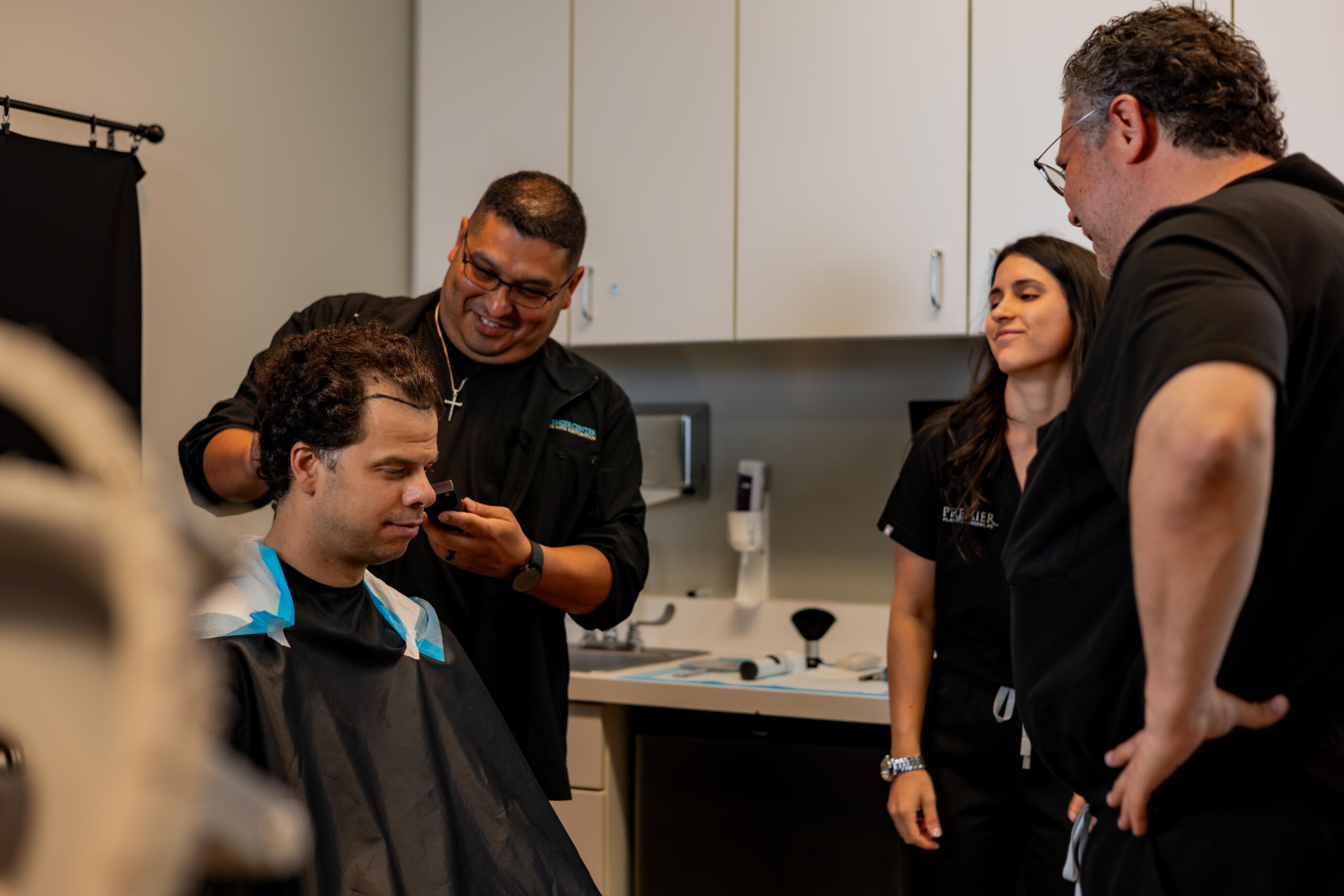
What Do We Mean by a "Custom" Hair Transplant?
“I wanted to share my incredibly positive experience with Dr. Brian Heil and his team. After going through breast cancer treatment, I experienced hair loss and unfortunately, my hair didn’t grow back as fully as I had hoped … but from the very first consultation, the staff and Dr. Brian far exceeded my expectations.”
— Terri C.
When Is a Specialty Hair Transplant Necessary?
Most, but not all, specialty hair transplant cases are represented by the following scenarios:
- Patchy or insufficient beard growth
- Eyebrow transplantation
- Patchy hair loss (alopecia areata or traction alopecia)
- Scarring and burn reconstruction
- Hair loss following laser or other cosmetic treatments
- Post chemotherapy induced hair loss
- Long hair follicular unit extraction (FUE)
Situation 1:
Beard and Facial Hair Restoration
Beard transplants have become one of the more common specialty requests. Men unable to grow a full beard due to genetics, patchy growth, or scarring from acne or injury can achieve consistent, natural coverage through follicular unit extraction (FUE). The technique is the same one used for scalp restoration, but the placement angle, density targets, and aesthetic goals are entirely different. Beard hair has its own texture, growth direction, and pattern. Getting it right requires an experienced hand and a genuine understanding of how male facial hair should look.
Eyebrow transplantation follows similar principles. Whether the thinning is from over-plucking, alopecia, a thyroid condition, aging, or prior cosmetic work, individual follicles can be carefully placed to restore the shape and fullness of the brows. Precision matters enormously in this approach. Even slight variations in angle or spacing are noticeable at close range.
Situation 2:
Patchy Hair Loss
Conditions like alopecia areata cause the immune system to attack hair follicles in isolated patches, leaving distinct bare spots on an otherwise full scalp. Traction alopecia, which is hair loss caused by consistent pulling or pressure applied to the hair (as with tight hairstyles, hats, etc.) tends to concentrate along the hairline and temples. In both cases, the challenge isn’t total coverage; it’s targeted restoration of a specific area surrounded by healthy hair.
Transplanting into patchy areas requires a careful assessment of the underlying cause. For alopecia areata in particular, the activity of the condition matters: transplanting into an unstable, still-active patch carries meaningful risk of failure. Biopsies are often used in these cases to correctly identify pathology.
Situation 3:
Scarring and Burn Reconstruction
Traumatic hair loss (from burns, surgical scars, scalp injuries, etc.) can leave permanent bald areas that no topical treatment will address. Hair transplantation into scar tissue is a specialized application that not every provider has the experience to perform well. Scar tissue has a different vascular supply than the healthy scalp, which affects how well transplanted follicles establish and grow.
A 2024 study published in the Journal of Cosmetic Dermatology examined 41 patients who received FUE transplantation for burn-related scarring alopecia. Researchers found high patient satisfaction at the 12-month mark, with the technique producing natural growth patterns, minimal trauma, and a low complication rate.
Situation 4:
Hair Loss After Laser or Cosmetic Treatments
Laser treatments can occasionally cause unintended, localized hair loss, a complication most patients don’t anticipate when planning skin rejuvenation treatments. It’s more common than widely reported, and it can be distressing when it happens in a visible area. A targeted transplant to restore hair in the affected zone offers a lasting solution. The approach is straightforward in concept but requires an accurate assessment of how the tissue responded to the laser treatment and whether the area is stable enough to support new grafts.
Situation 5:
Long Hair FUE
This one deserves its own conversation because it comes up more often than most people expect.
Standard FUE requires the donor area to be shaved short before harvesting. For men, this isn’t usually a concern. For women, and for men who wear their hair long, shaving the back of the head creates a real and understandable problem. Long hair FUE is a modified technique that allows the surgeon to work around the longer hair, harvesting grafts without requiring a full shave of the donor zone.
Dr. Heil performs long hair FUE using the practice’s advanced FUE systems, selecting the right technology for each patient’s hair type, treatment area, and goals. As noted in a foundational review of FUE techniques published in Facial Plastic Surgery Clinics of North America, FUE’s versatility across treatment areas makes it a highly valuable asset for specialty hair restoration cases.
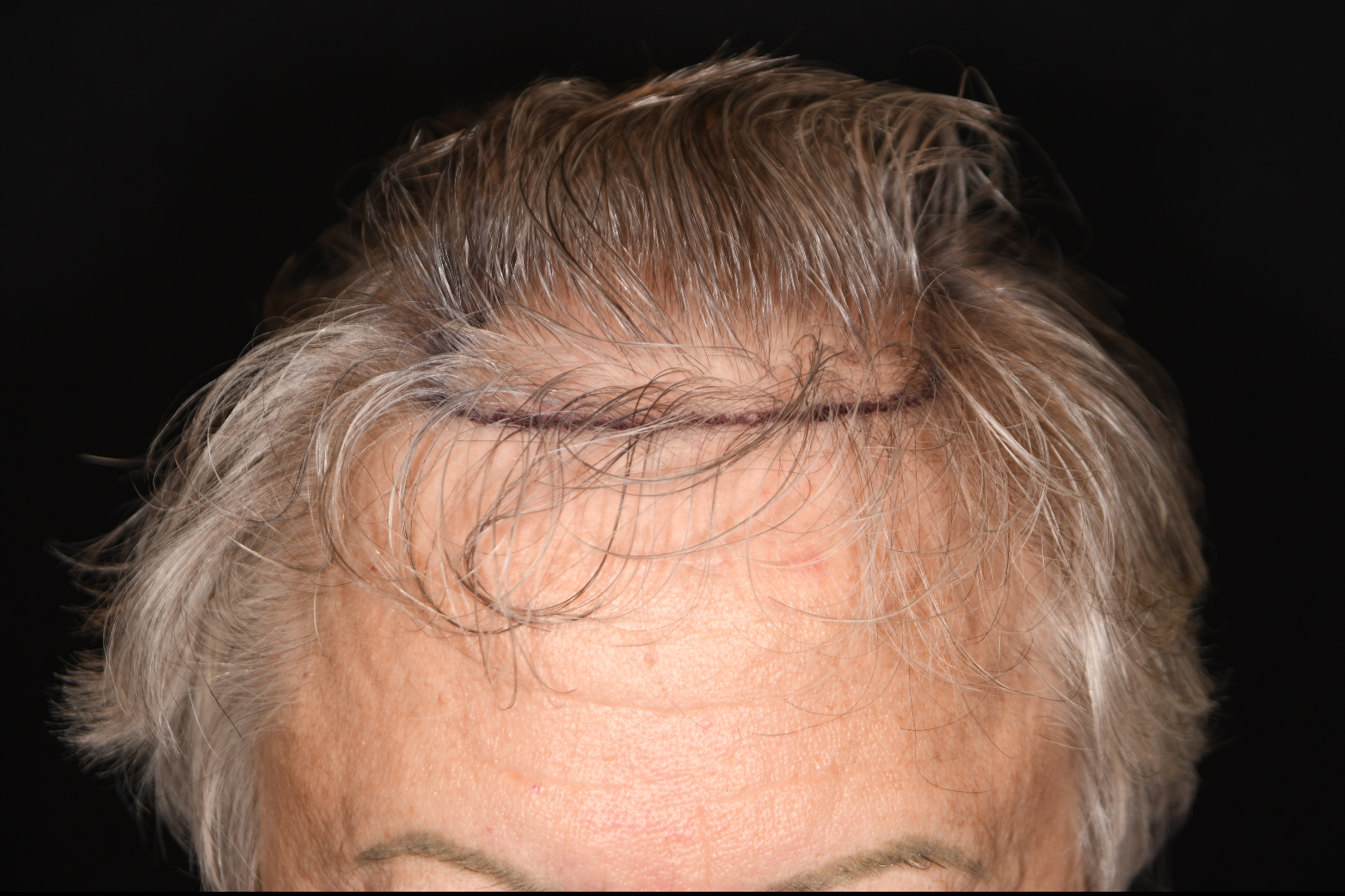
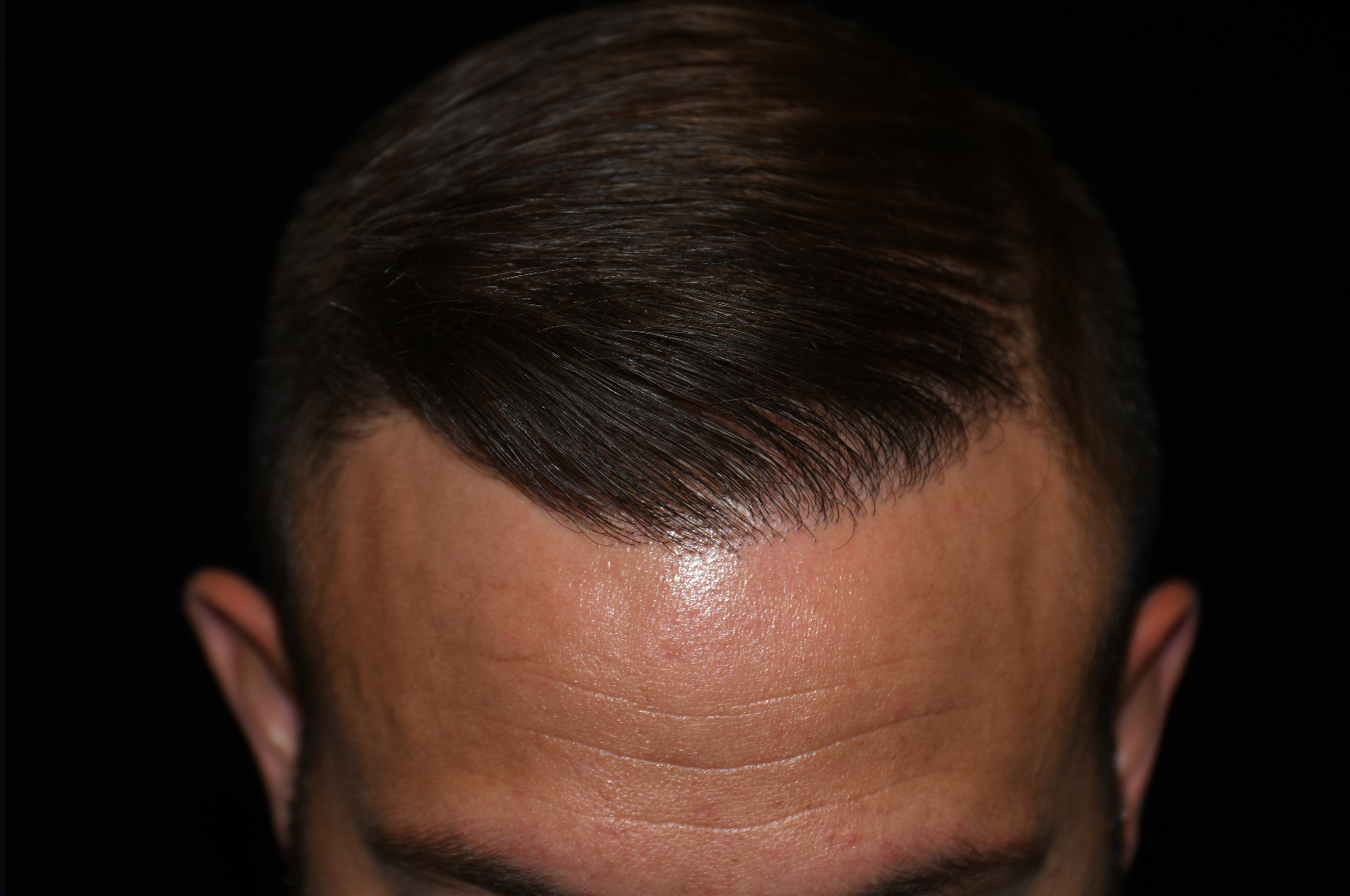
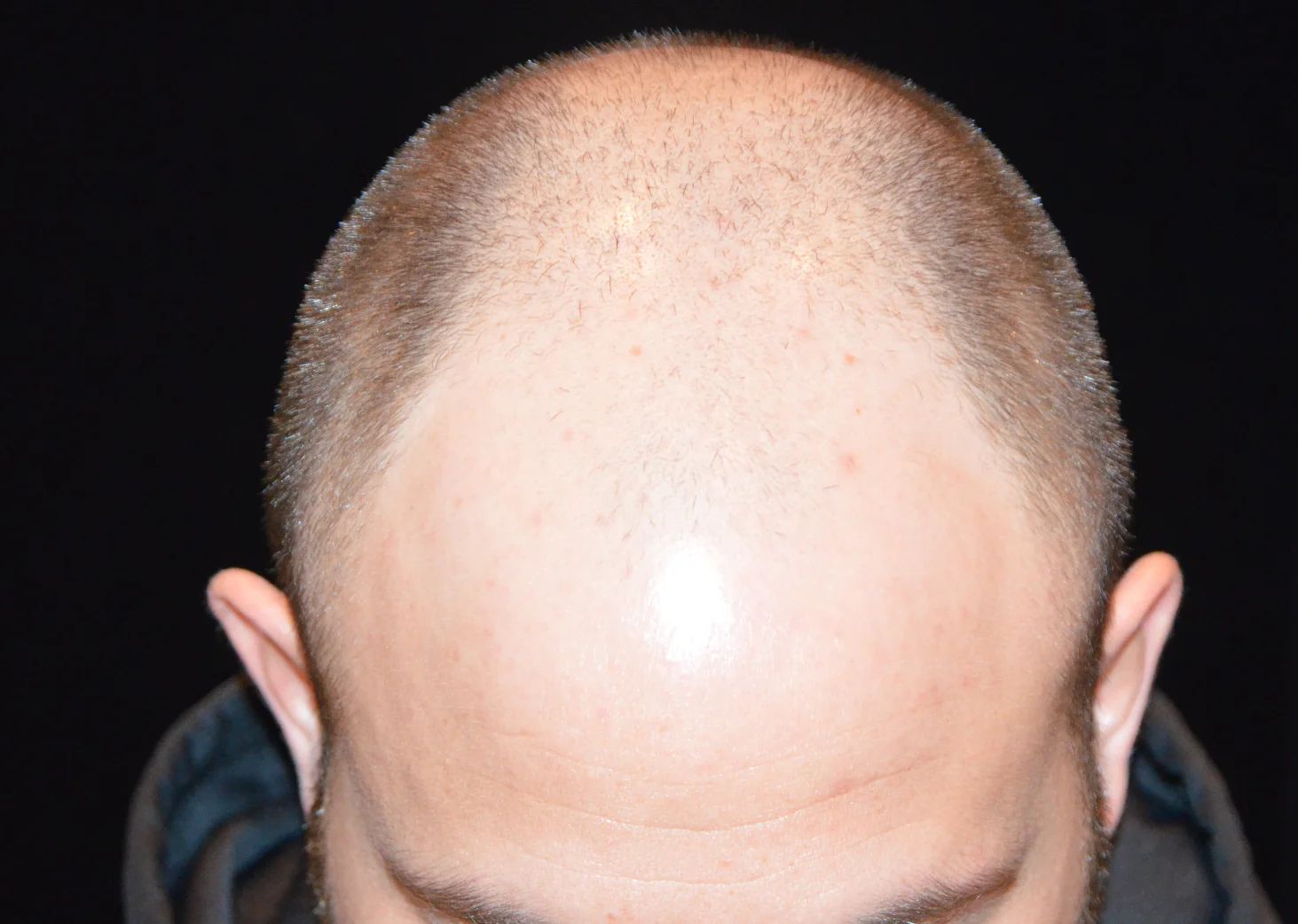
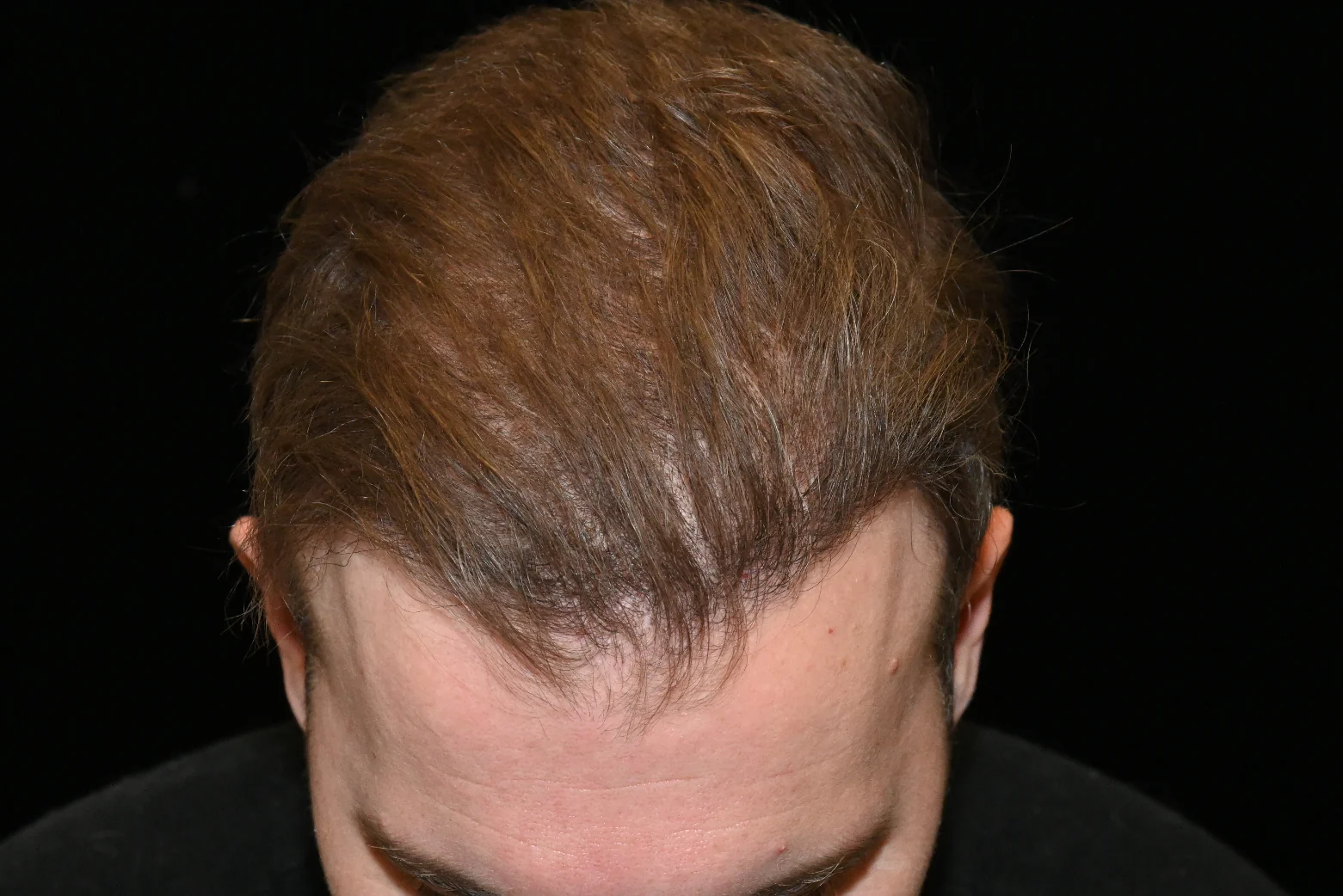
See Real Patient Results
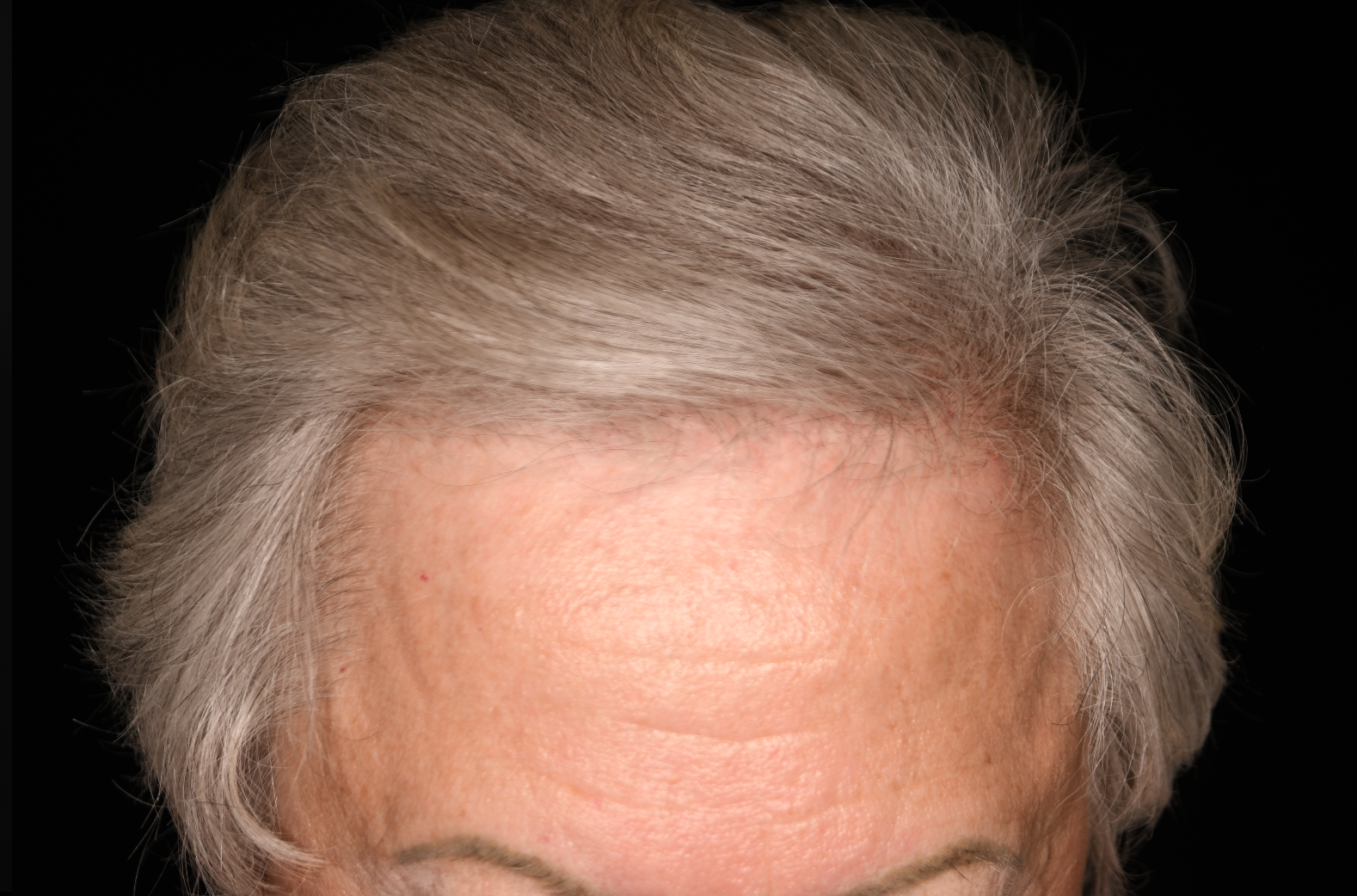
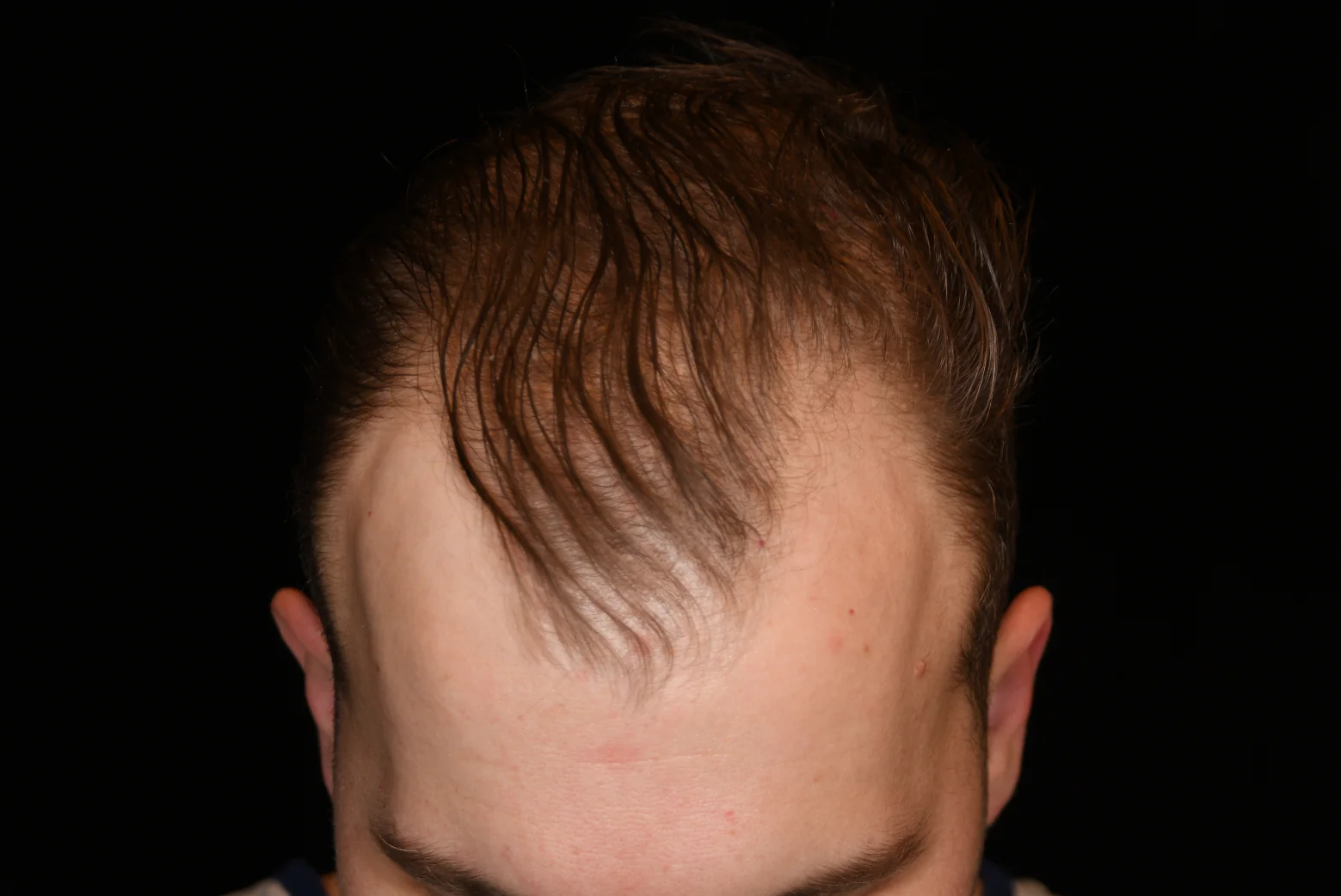
What to Expect: From Consultation Through Final Results
Consultation
Every case at the Premier Center for Hair Restoration begins with a one-hour, one-on-one consultation with Dr. Heil. He examines the treatment area, evaluates the donor supply, and discusses the cause and pattern of your hair loss in detail. For specialty cases, this step is especially important. Dr. Heil will tell you honestly what a transplant can achieve, and just as importantly, what it can’t. Not every patient is a candidate, and if your circumstances call for a staged approach or a different strategy altogether, you’ll know that before you make any decisions.
The Procedure
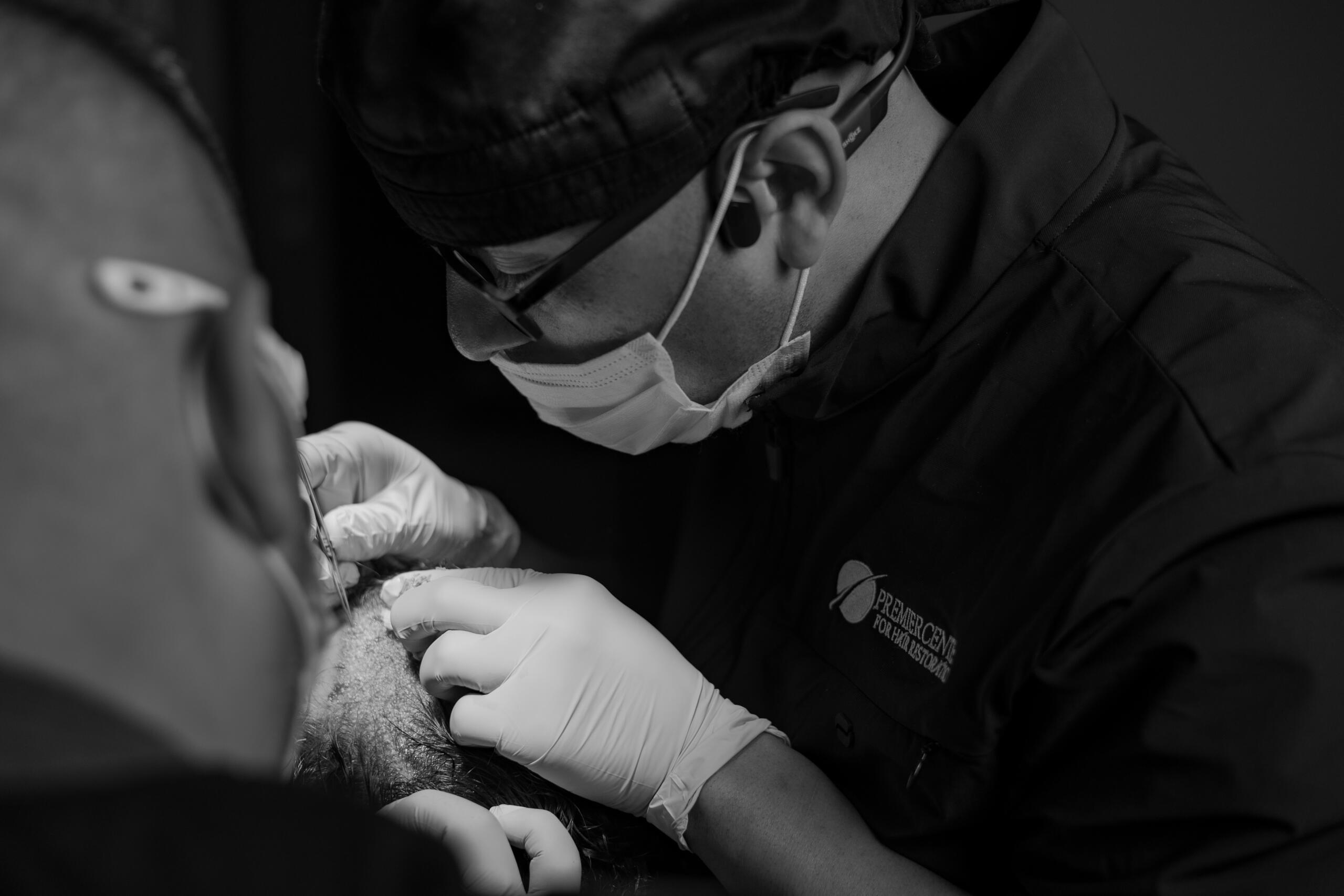
Specialty and custom hair transplant procedures are performed under local anesthesia. You’ll be awake and comfortable throughout. Depending on the treatment area and the technique involved, the procedure may take several hours. For cases involving scar tissue, facial hair, or areas requiring unusually precise placement, the pace is deliberate. Rushing graft placement in a specialty case is how results go wrong.
Recovery
Recovery from a specialty hair transplant is generally comparable to what patients experience after a standard scalp procedure, though the specifics vary based on the treatment area. Facial transplants, including beard and eyebrow work, tend to involve some localized swelling and redness in the first few days. Small crusts form around each transplanted follicle and shed within one to two weeks. Most patients are back to normal activity within a week.
You’ll receive detailed aftercare instructions before you leave. These cover how to clean the area, which products and activities to avoid, and what the early healing process should look like.
Results
- Initial shedding: Transplanted hairs typically shed within the first two to four weeks. This is normal and expected. The follicles are still viable.
- Regrowth: New growth occurs and is typically visible around the three-month mark. Major improvements typically develop by the six-month mark.
- Final results: Within 12 to 18 months, the transplanted hair has fully integrated with the surrounding area.
Schedule a Custom Hair Transplant Consultation in Pittsburgh
Dr. Brian Heil and the team at the Premier Center for Hair Restoration serve patients throughout Pennsylvania, Ohio, and West Virginia, and regularly see patients traveling from beyond the tri-state area for cases that require this level of expertise.
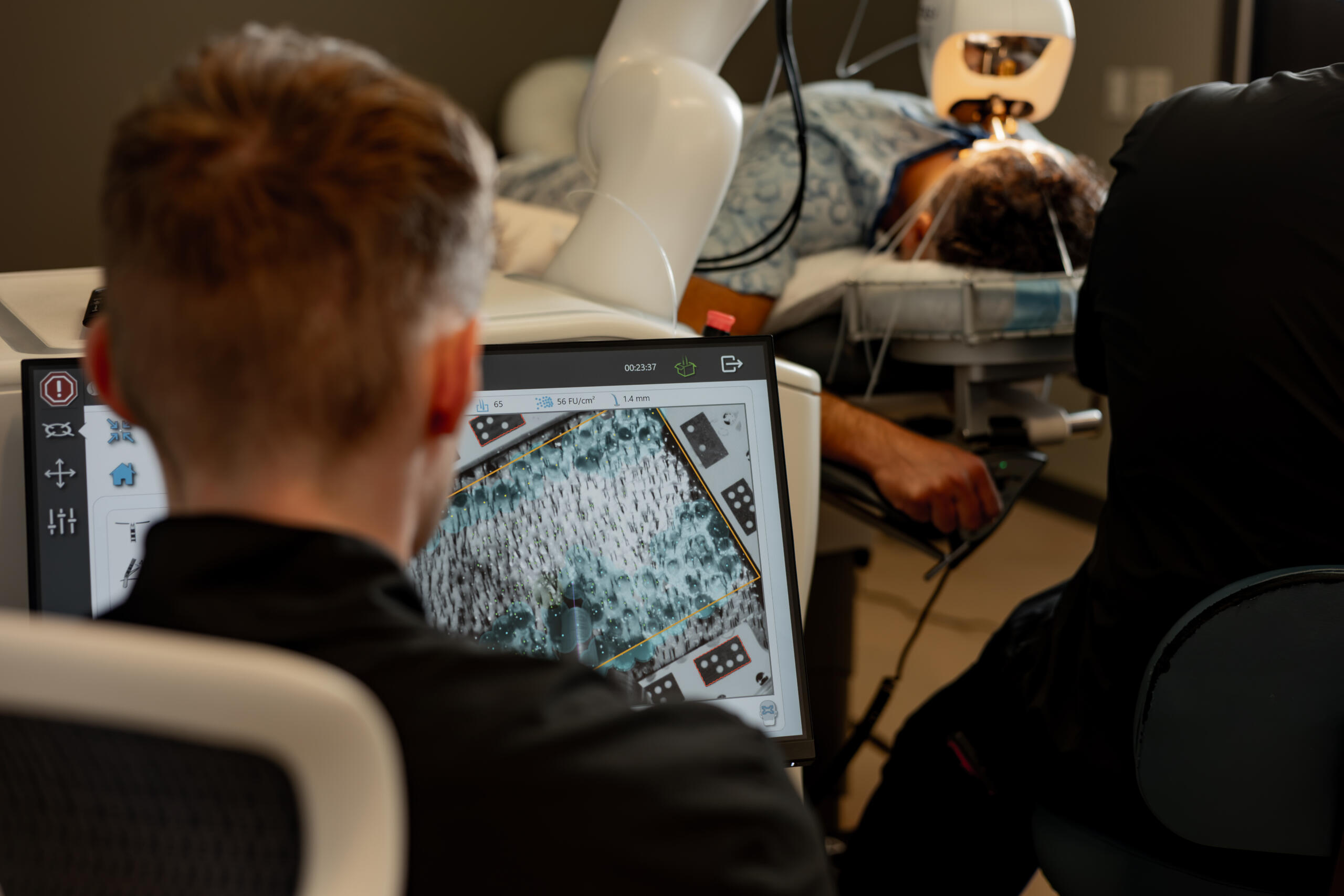
The Premier Center for Hair Restoration is the exclusive provider of the ARTAS robotic hair transplant system in the tri-state region in addition to all his other FUE technologies. Access to multiple advanced platforms means Dr. Heil can choose the right tool for the situation rather than fitting every patient into the same approach.
To talk through your specific situation, contact us at 412-709-3067 or request a consultation online.
Begin your Hair Restoration Journey Now
Whether you are just beginning to explore options or ready to schedule,
Premier Center for Hair Restoration is ready to help.




Brian Vassar Heil, MD, FACS has either authored or reviewed & approved this content