Premier Center for Hair Restoration
Hair Transplant and Restoration for Women
For many women, the idea of doing something about hair loss is dismissed early because the options seem, frankly, not worth it. Both men and women tend to picture a painful surgery and a long, visible recovery process upon hearing the term “hair transplant” or restoration, and in the early days, this image wasn’t far from the truth.
What many people don’t realize is that modern hair restoration looks nothing like that. At the Premier Center for Hair Restoration in Pittsburgh, board-certified plastic surgeon Dr. Brian Heil performs hair transplantation designed to fit discreetly into your routine while delivering permanent results you can be proud of.
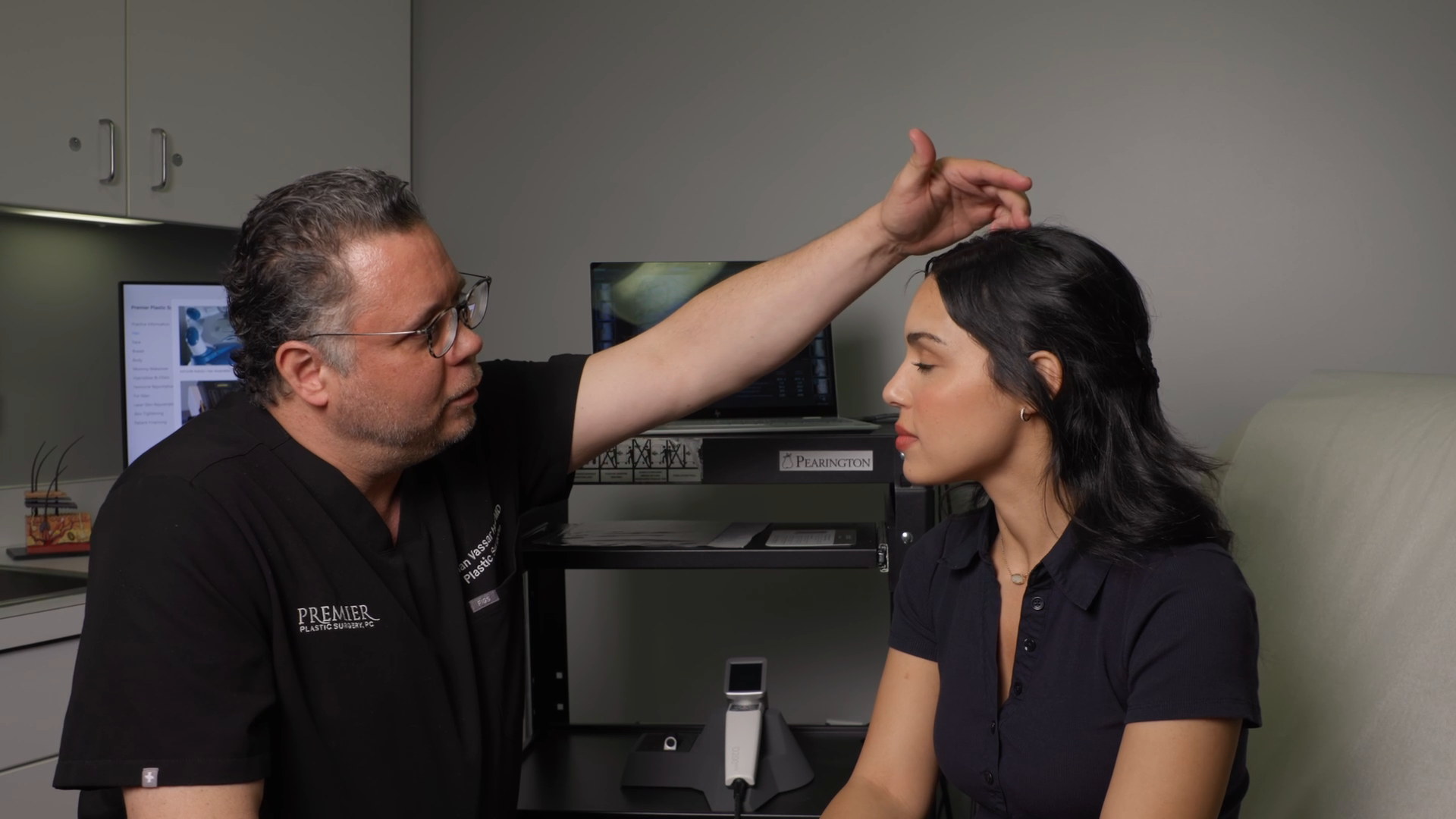
What Treatments Are Available for Women’s Hair Restoration?
According to Dr. Heil, “Women often shy away because they think they’d have to have an old-fashioned strip harvest … and rightly so.”
The strip harvest method, which involves the removal of a long section of scalp from the back of the head, closing it with sutures and leaving a linear scar, is an outdated technique that came with obvious and significant drawbacks. For years, it was the primary treatment, and women who encountered the treatment while researching their options often decided the trade-off wasn’t worth making.
Modern follicular unit extraction (FUE) changes the picture considerably. There’s no strip to deal with. And women with longer hair can conceal the procedure the same day it’s performed.
Available Treatment
Long Hair FUE: What You Need to Know
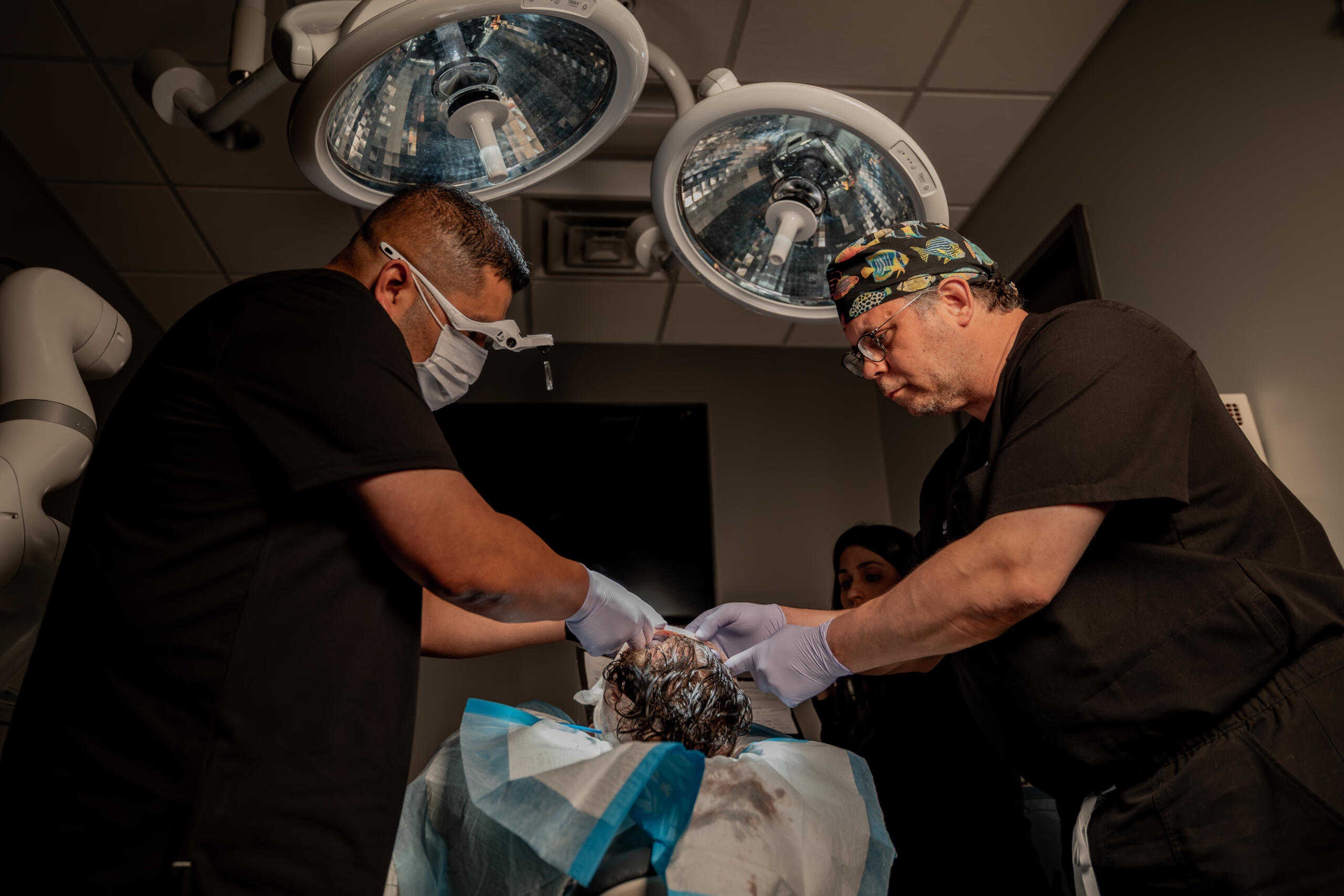
Long hair FUE is one of the most relevant advances in hair restoration for women and one of the least discussed. Rather than shaving the donor area before extraction, Dr. Heil’s team clips and harvests selectively from layered zones across the back of the scalp. Roughly 10 to 15% of the hair in those zones is removed, leaving the surrounding hair at full length. Not every practice is experienced enough to perform this method of preserving surrounding long hair. Dr. Heil and his team are not only experienced enough but they often celebrate this option.
“You can immediately walk out after the procedure and camouflage the area with existing hair, which was not clipped at all,” Dr. Heil explained. “You can ponytail over it, comb over it. Your hair still comes down the same length on the back of your neck.”
Patients routinely return to professional settings, including courtrooms, classrooms and other public-facing roles, within days of their procedure. Because the recovery is hidden underneath existing hair, the timeline looks nothing like what most people imagine when they hear the word “surgery.”
Available Treatment
Debunking the “All-or-Nothing” Myth
Another misconception worth addressing: that hair restoration is all-or-nothing. This is another holdover from an era when options were less attractive and more limited. Today, pacing can be much more flexible.
“Some women do a series of smaller or medium restorations and, like the turtle winning the race, achieve incredible improvement over time,” Dr. Heil said. For women in visible, public-facing roles, a staged approach can produce meaningful results that no one around them notices happening. On the other hand, women dealing with post-chemotherapy hair loss for example, that never fully returned may be strong candidates for a single, more complete treatment.
Dr. Heil’s job is to lay out what’s realistic and let you decide what fits best for you, which often includes the ability to stage your treatments.
What Hair Preservation Options Can Women Choose From?
Restoration addresses what’s already been lost, while preservation protects what’s still there. Both conversations are approached with an emphasis on well-rounded and sustainable results at Premier.
For women, the available medical options vary by life stage. DHT blockers like finasteride become an option for post-menopausal women, though they are not appropriate during childbearing years due to effects on fetal development. Platelet-rich plasma (PRP) and exosome therapy are other tools that may be incorporated into a comprehensive care plan depending on the patient’s situation.
Dr. Heil approaches preservation and restoration together for a cohesive experience and results that match.
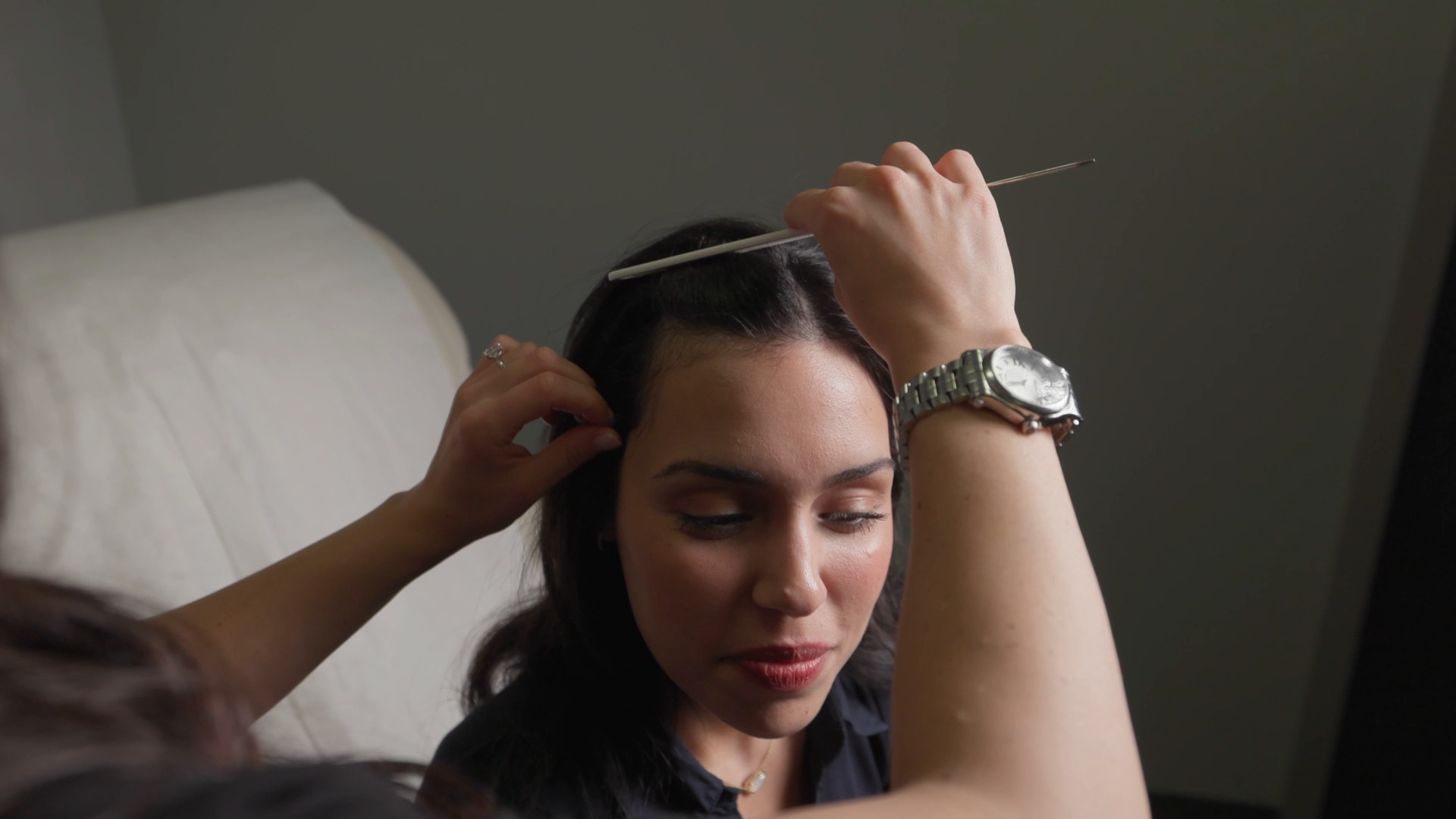
Am I a Candidate for Hair Restoration?
Female hair loss has more potential causes than most people realize, and identifying the right one is part of what makes Dr. Heil’s consultation process so valuable. Female pattern hair loss most commonly follows the Ludwig pattern, thinning outward from the part line in gradual stages. Some women experience a male-pattern distribution instead, which can feel masculinizing. Both are hormonally influenced and both are surgically treatable.
Other causes Dr. Heil evaluates include:
- Traction alopecia from braids, extensions or dreadlocks that have placed prolonged stress on follicles at the hairline or temples
- Post-chemotherapy hair loss that didn’t fully recover after treatment
- Medical conditions such as hypothyroidism, lupus, vitamin deficiencies and autoimmune disorders
One area requiring extra care is scarring alopecia, in which the body’s immune system actively attacks and destroys follicles. Transplanting into an active scarring process would not produce lasting results. “Transplanting into active scarring alopecia is putting logs on the fire,” Dr. Heil said. When scarring alopecia is present, the right medical intervention comes first.
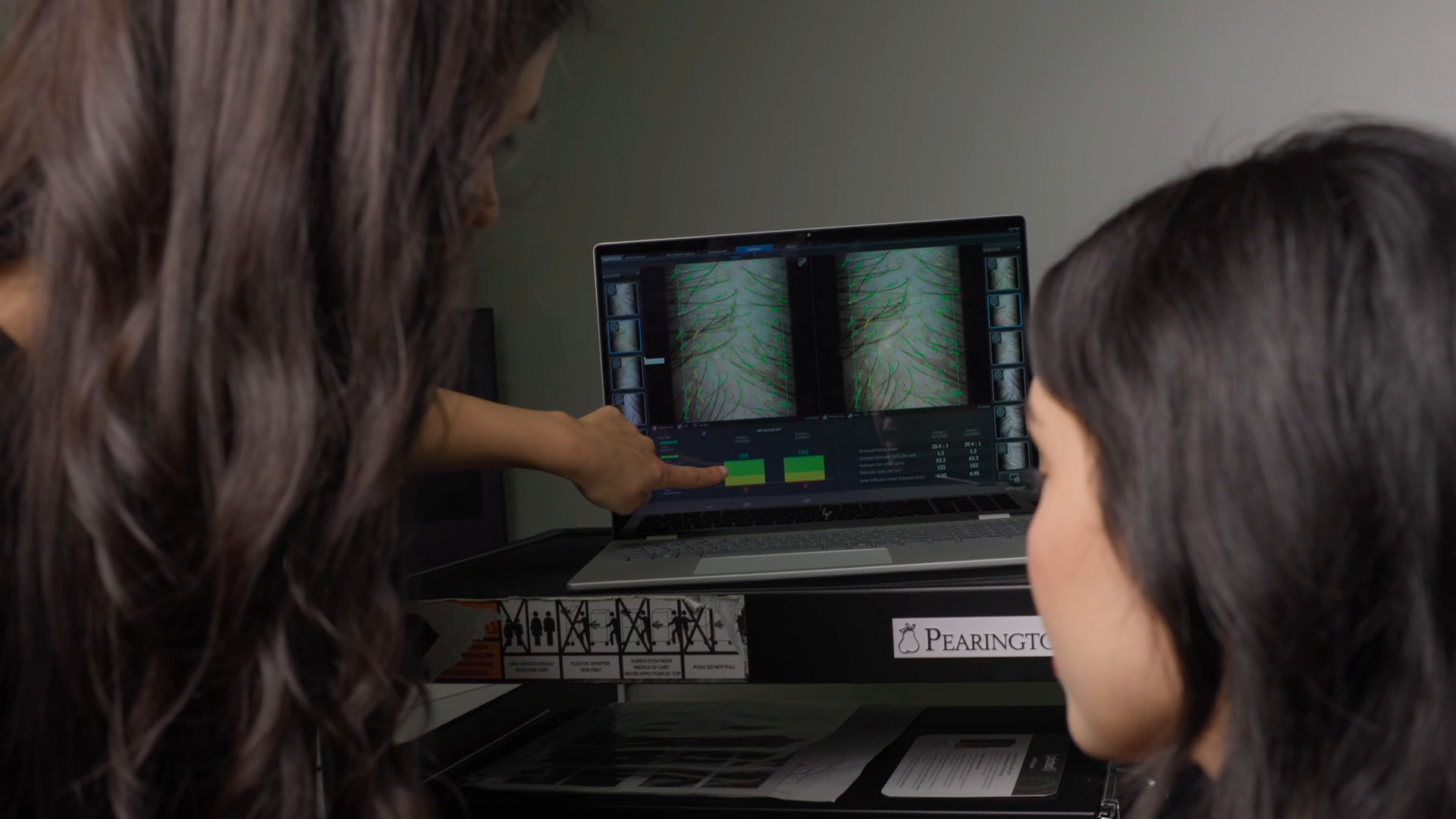
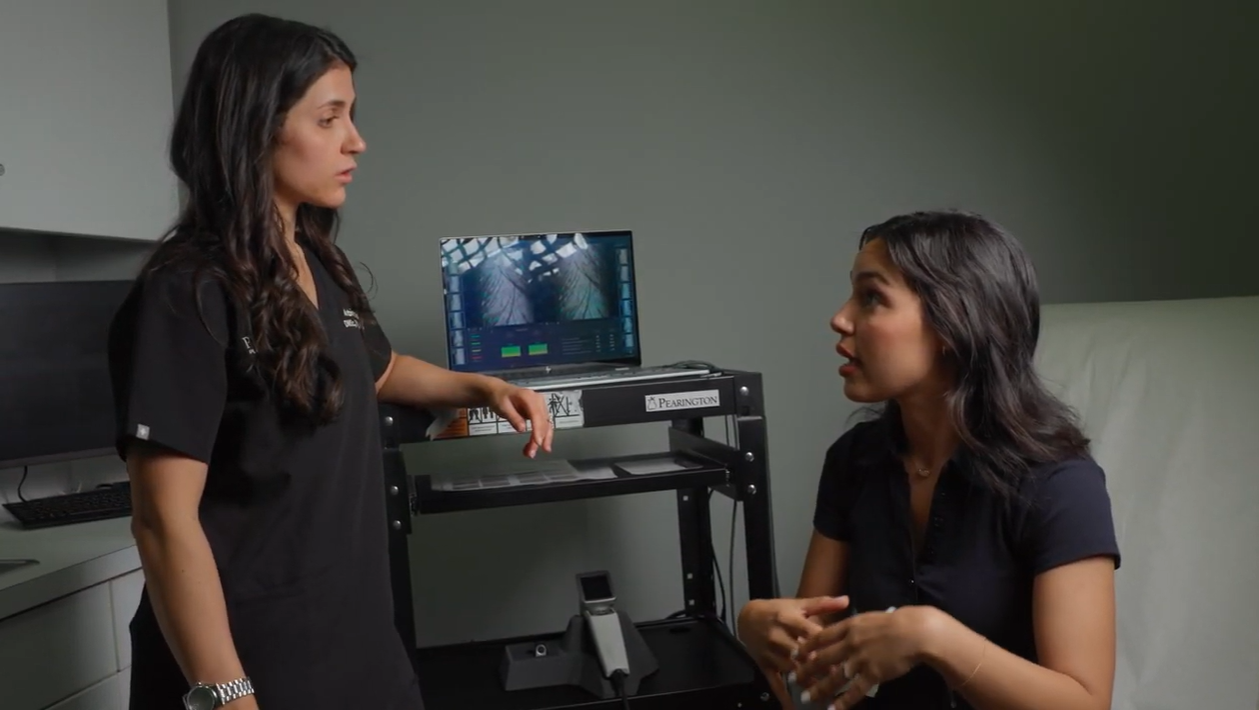
How Is Hair Restoration Different for Women?
The aesthetic goals, the geometry and the fine judgment calls about placement are all different across genders.
“In a masculine hairline, there’s a natural temporal lift as you move toward the sides,” Dr. Heil explained. “For a female patient, you bring it across in a smoother, more even transition.”
Women who have developed temporal recession often feel their hairline has taken on a masculine quality. The temples frame the face. Restoring them changes what a woman sees in the mirror, with one procedure that delivers permanent results.
Even moving a hairline forward a centimeter can shift your facial proportions much more than you may expect, and with long hair FUE, that change can be concealed from the very first day.
As for longevity of results, men and women can expect the same timeline. Transplanted follicles come from donor regions with DHT-resistant genetics (what Dr. Heil calls “donor dominance”). When those follicles are moved to the top of the scalp, they retain that resistance and continue growing permanently in their new location.
After Your Procedure: What You Need to Know
Recovery from long hair FUE is, for most women, far more manageable than they anticipated. Normal activities can resume within a few days. The treated donor area is concealed by surrounding hair from the moment you leave.
Full results develop gradually. Most patients see meaningful growth by the six-month mark, with density continuing to improve through 12 to 18 months.
A few things to keep in mind as you heal:
Aftercare
Hair coloring
Hair coloring can resume approximately three weeks after the procedure.
Aftercare
Shampoos and conditioners
Shampoos and conditioners often contain scalp-irritating agents, formaldehyde derivatives and other ingredients that affect hair health over time, so choose carefully.
Aftercare
Ongoing native hair loss
Ongoing native hair loss may continue after your procedure, which is why Dr. Heil builds plans that account for the future, feathering grafts into adjacent areas and pairing restoration with preservation where appropriate.
Why Choose Dr. Heil for Women's Hair Restoration?
Dr. Heil is a board-certified plastic surgeon and Fellow of the American College of Surgeons with more than 25 years of surgical experience. He’s been recognized by Castle Connolly as a Top Doctor and by New Beauty magazine for five or more consecutive years. He’s also ranked third in the United States with Venus Concepts for robotic hair transplantation.
What sets his practice apart isn’t just the credentials and consistently positive reviews. It’s that he executes every procedure with personal pride. Every consultation, hairline design and graft placement is performed by Dr. Heil and his personally trained in-house hair team.
Women’s hair restoration is, as Dr. Heil has put it, an underserved area. His goal is to make sure women considering their options have access to accurate information and a physician who takes their result as seriously as they do.
Schedule Your Pittsburgh Hair Transplant Consultation
If you’ve been putting off this conversation because you weren’t sure the options were right for you, this is a good time to find out. Dr. Heil’s consultations are one hour, in-person and conducted directly with him.
Call Premier Center for Hair Restoration at 412-709-3067 or request your consultation online. We serve patients throughout Pittsburgh, western Pennsylvania, Ohio and West Virginia, and welcome destination patients from across the region.
Begin your Hair Restoration Journey Now
Whether you are just beginning to explore options or ready to schedule,
Premier Center for Hair Restoration is ready to help.




Brian Vassar Heil, MD, FACS has either authored or reviewed & approved this content