Premier Center for Hair Restoration
Secondary Hair Transplant
Secondary Hair Transplant in Pittsburgh, PA
According to the International Society of Hair Restoration Surgery (ISHRS), approximately one-third of hair transplant patients undergo a second procedure. Some need additional coverage as their hair loss progresses. Others seek correction for disappointing results from an inexperienced provider or outdated technique.
At the Premier Center for Hair Restoration, Dr. Brian Heil brings over two decades of surgical expertise and the region’s most advanced hair restoration technology to secondary cases. Dr. Heil has built a reputation for offering solutions where others see limitations. To discuss your options for a secondary hair transplant in Pittsburgh, schedule a consultation.
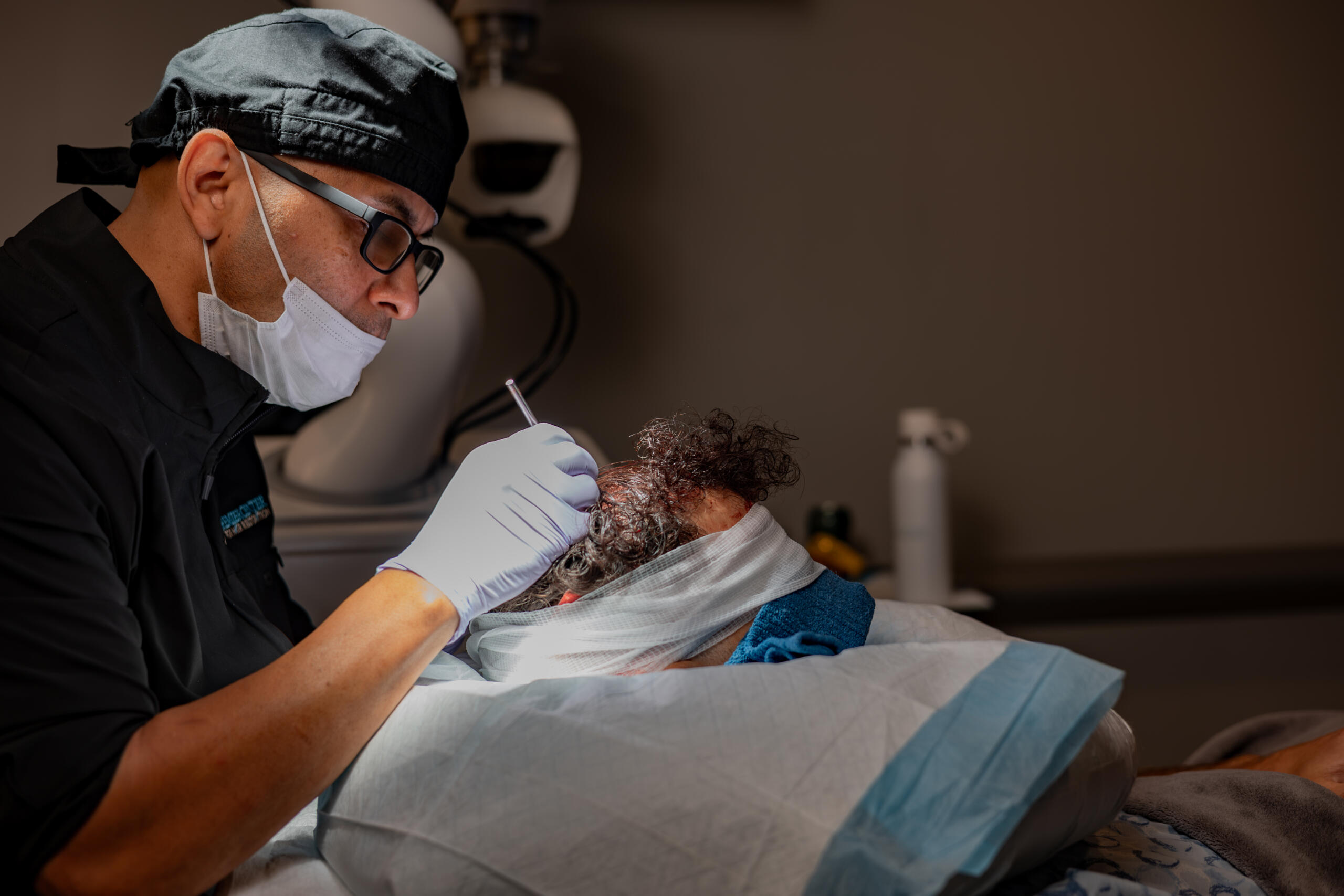
What Is a Secondary Hair Transplant?
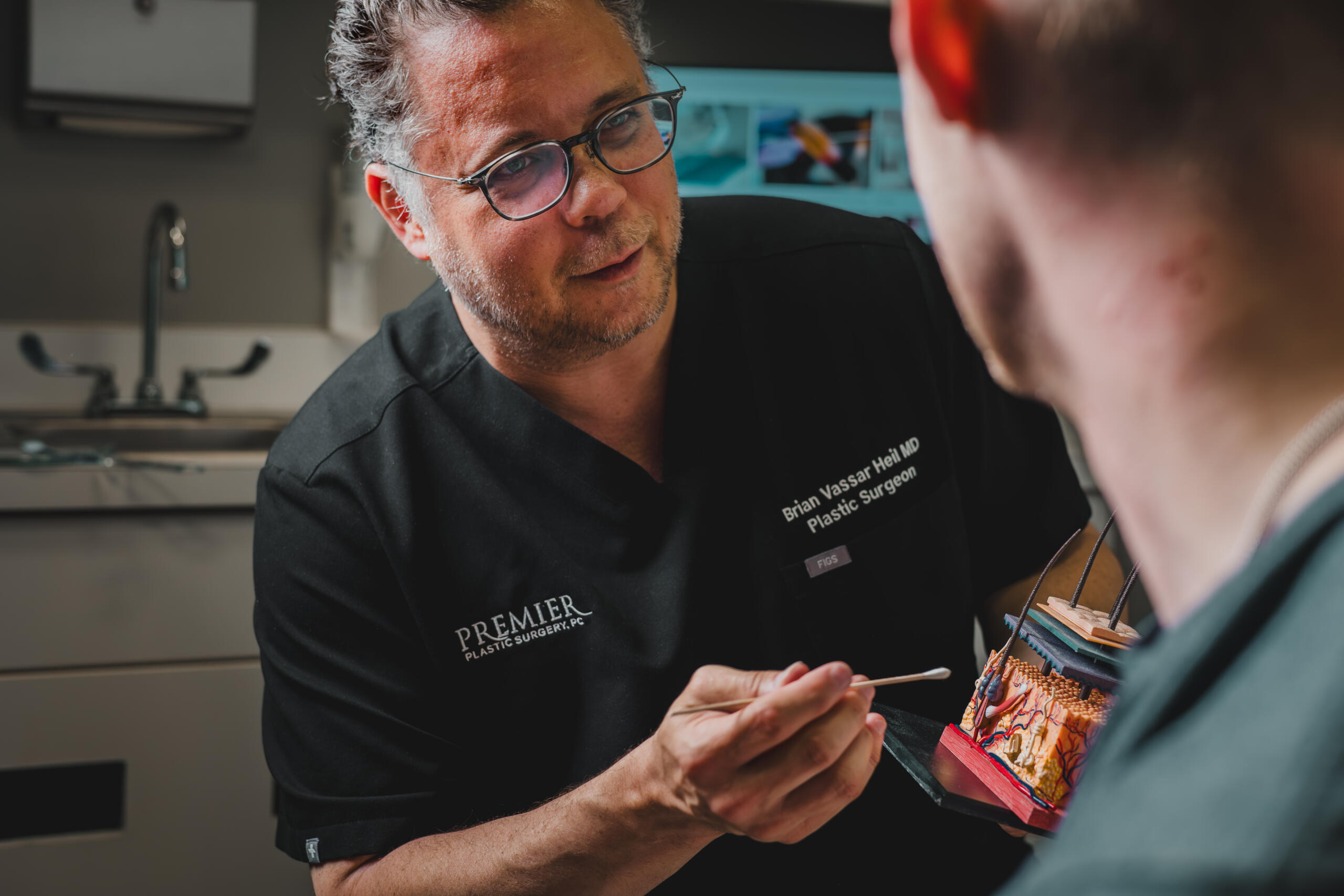
Why Do Some Patients Need a Second Hair Transplant?
Reason 1:
Continued Hair Loss
Progressive hair loss is one of the most common reasons for a second procedure. Androgenetic alopecia (pattern baldness) does not stop after a transplant. As native hair continues to thin and recede around the transplanted follicles, even an excellent result can start to look thinner over time. A second procedure restores balance by filling the newly affected areas, often in conjunction with PRP therapy or medical treatment to help slow further loss.
Reason 2:
Inadequate Hair Density
Insufficient density from the initial hair transplant procedure is another common concern. The original surgeon may have been too conservative with graft placement, or the patient’s expectations may not have been properly managed from the start. Some patients simply want a fuller look than their first transplant provided.
Reason 3:
Outdated Transplant Techniques
Hair transplants in the 1980s and 1990s often used large “plug” grafts containing 10 to 20 hairs each. These created the telltale “doll’s hair” or “corn row” appearance that made transplants instantly recognizable. Patients living with these older results can benefit significantly from modern revision techniques that can redistribute and camouflage those large grafts into natural-looking follicular units.
Reason 4:
Substandard Execution
The ISHRS has documented a concerning rise in complications from unqualified providers. Their 2024 member survey found that 59% of hair restoration surgeons reported black-market hair transplant clinics operating in their cities, up from 51% in 2021. These unlicensed operations attract patients with low prices and travel incentives, then deliver results requiring extensive correction.
Can a Bad Hair Transplant Be Fixed?
In most cases, a poorly executed hair transplant can be improved substantially. The degree of correction achievable depends on factors like available donor hair and the extent of the original damage. An experienced surgeon like Dr. Heil can address a wide range of issues using modern techniques, including:
Low or Straight Hairlines
Hairlines placed too low or too straight can be redesigned to appear more natural and age-appropriate
Misaligned Graft Angles
Grafts planted at incorrect angles, causing hair to grow in unnatural directions, can be removed and repositioned
Large Plug Grafts
Large plug grafts can be excised and redistributed alongside new grafts
FUT or FUE Scarring
Scarring from previous FUT (strip) procedures or poorly healed FUE extractions can be camouflaged through strategic graft placement
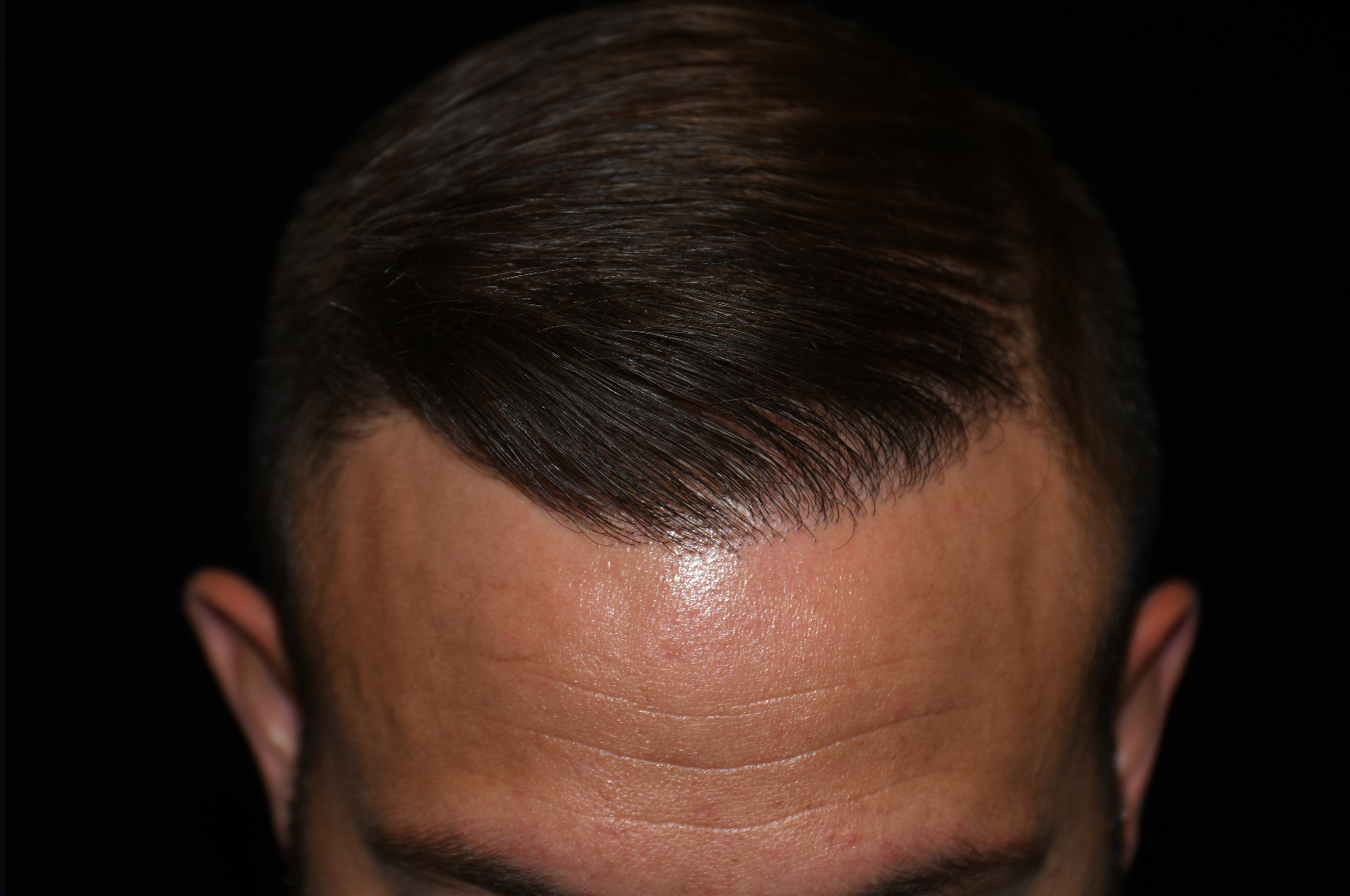
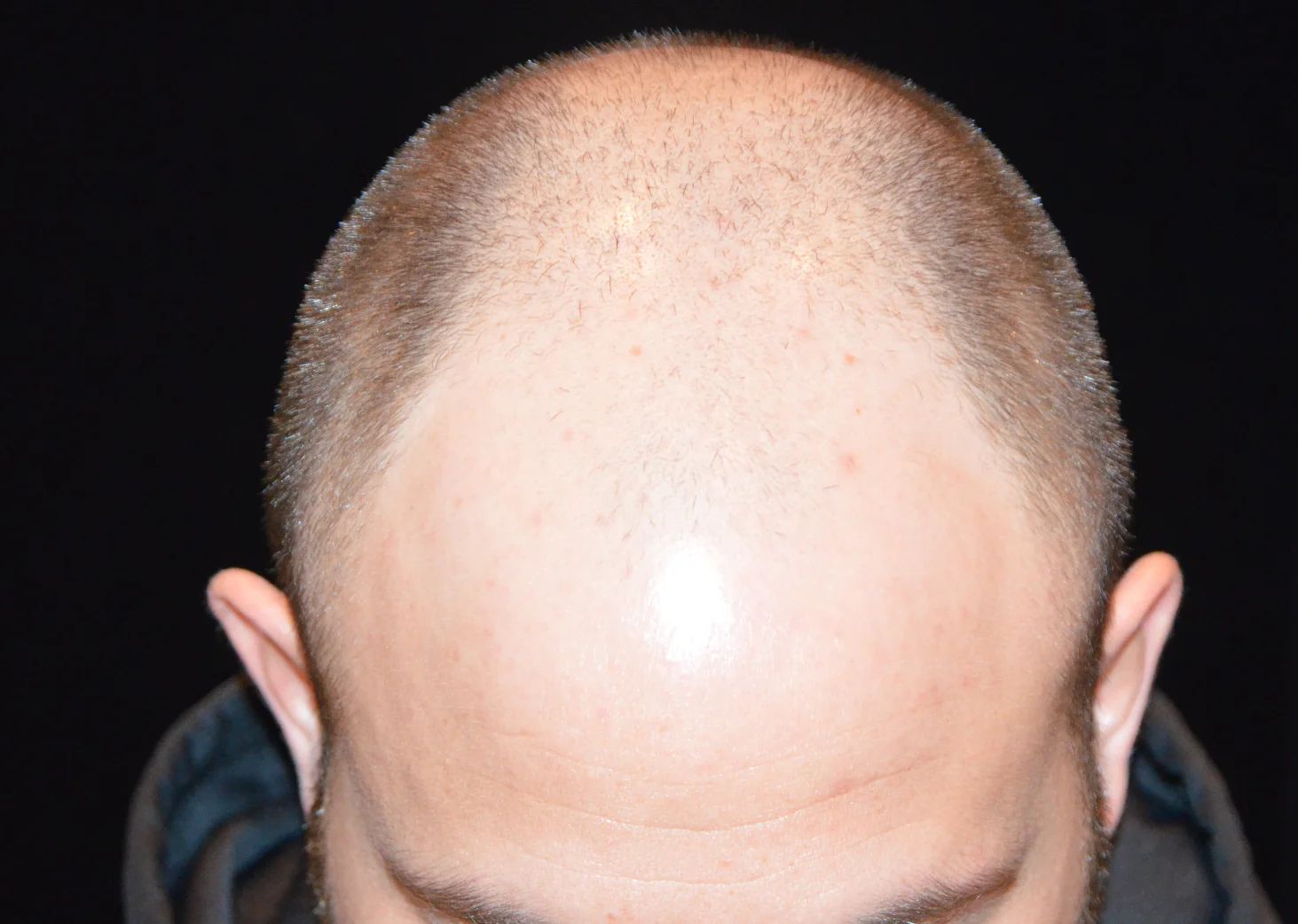
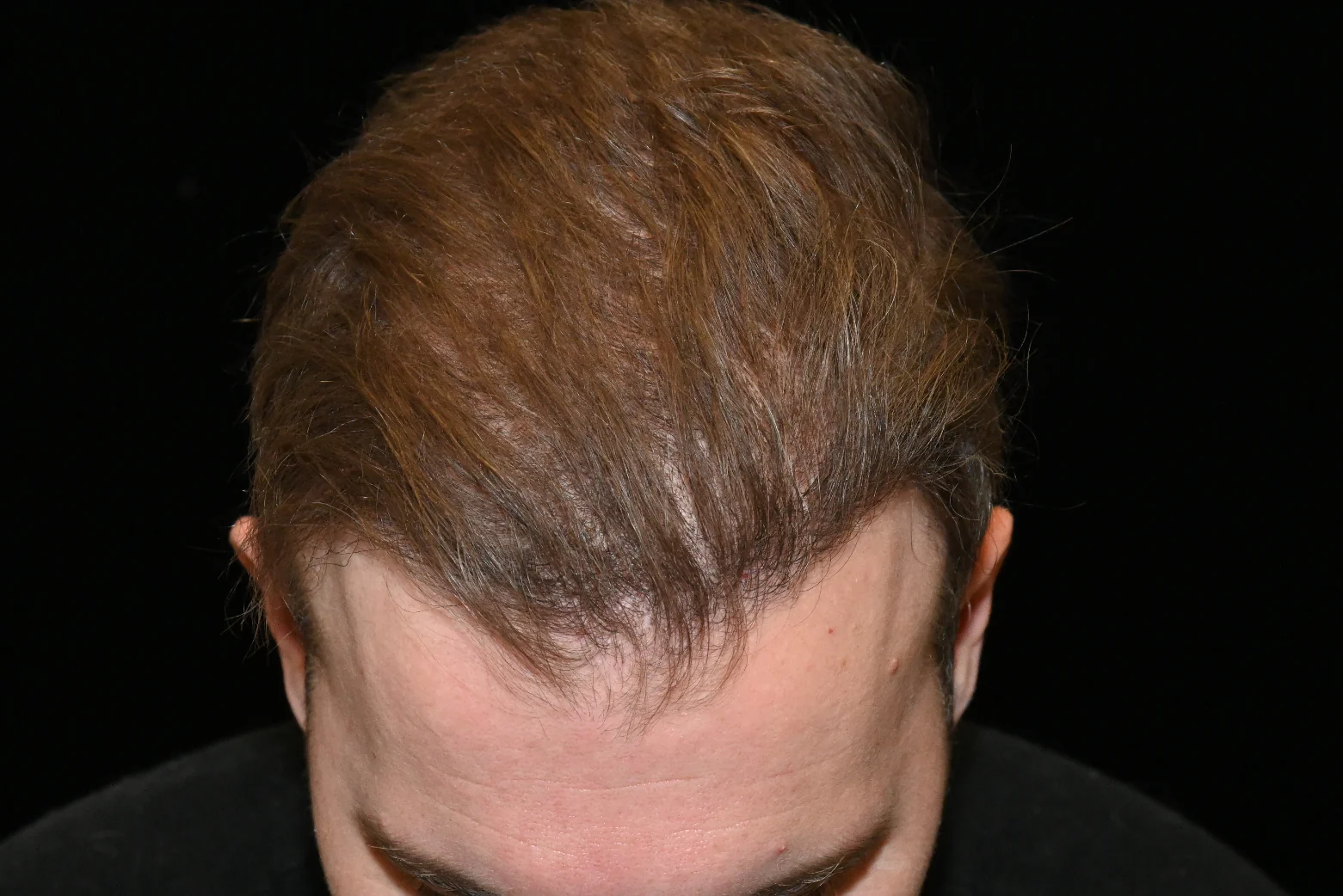
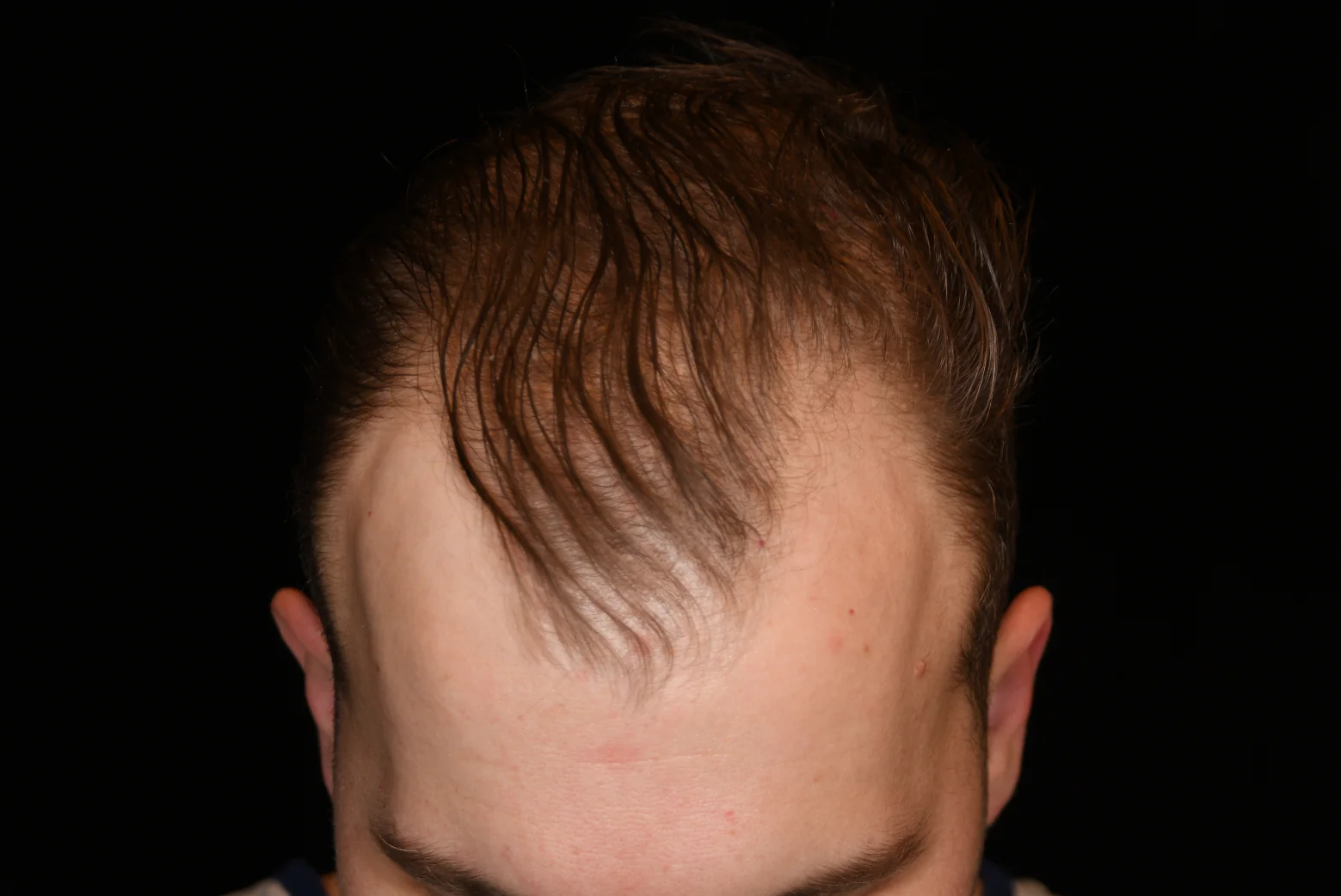
See Real Patient Results
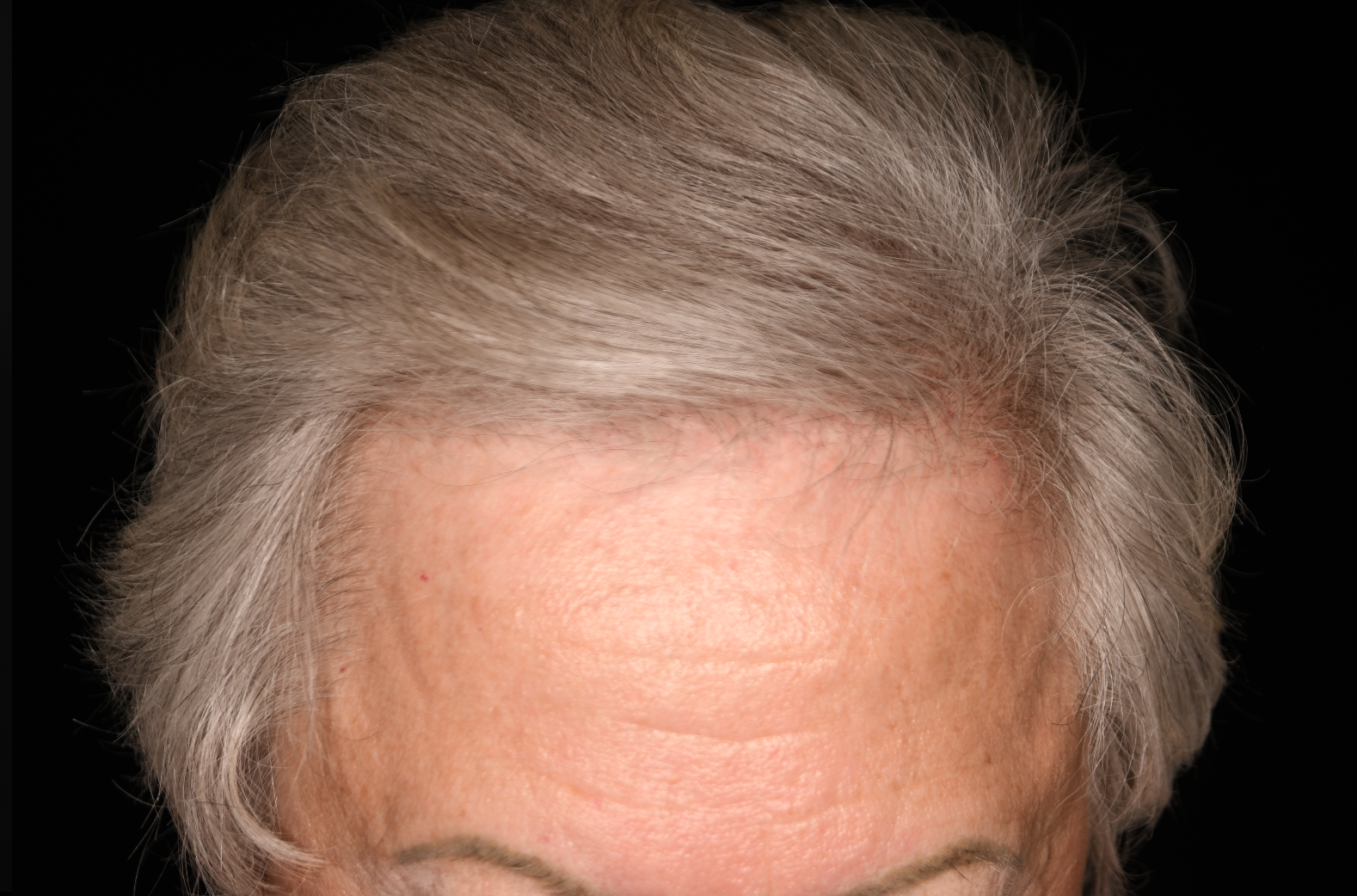
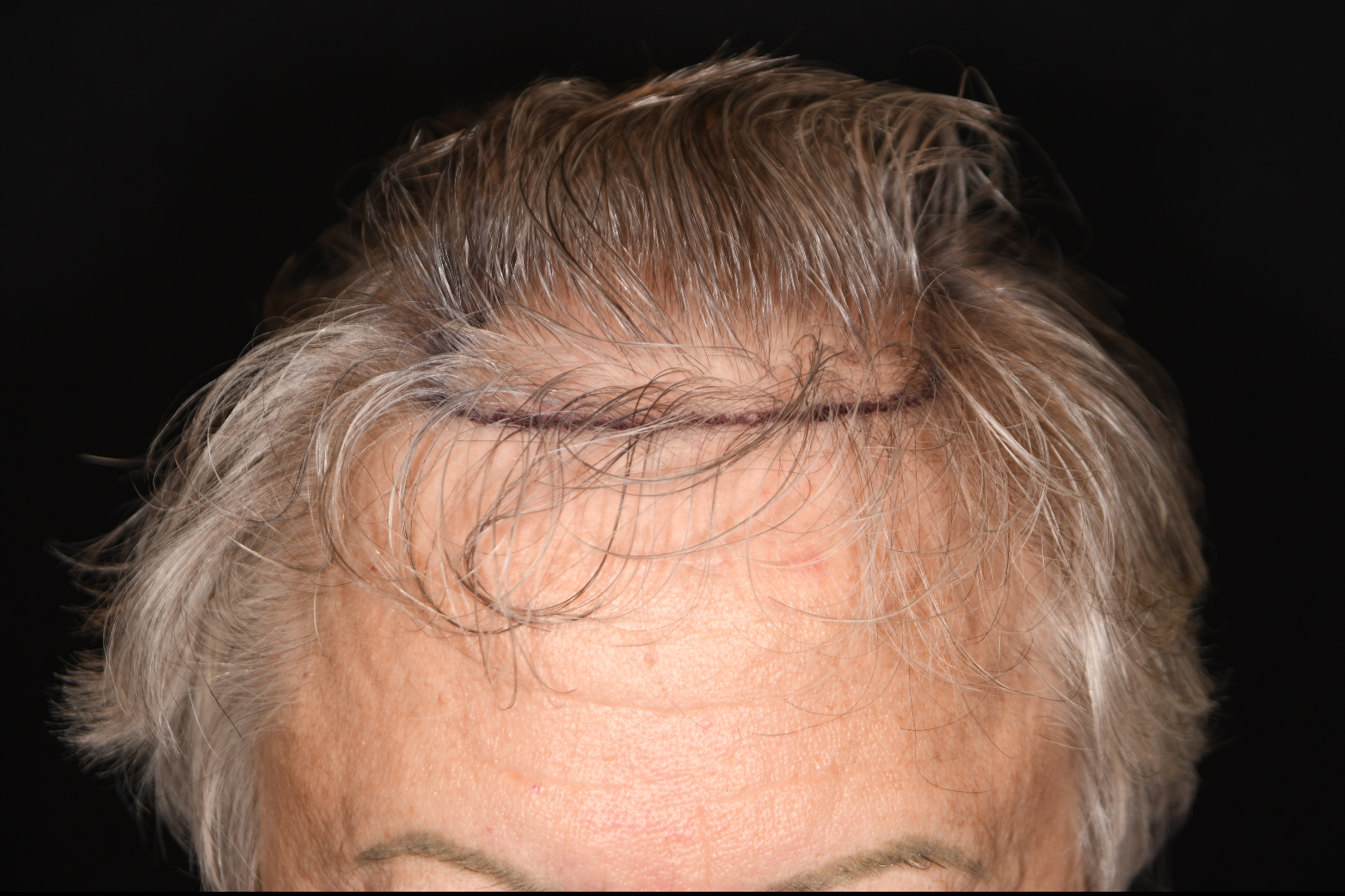
How Does Dr. Heil Approach Secondary Hair Restoration?
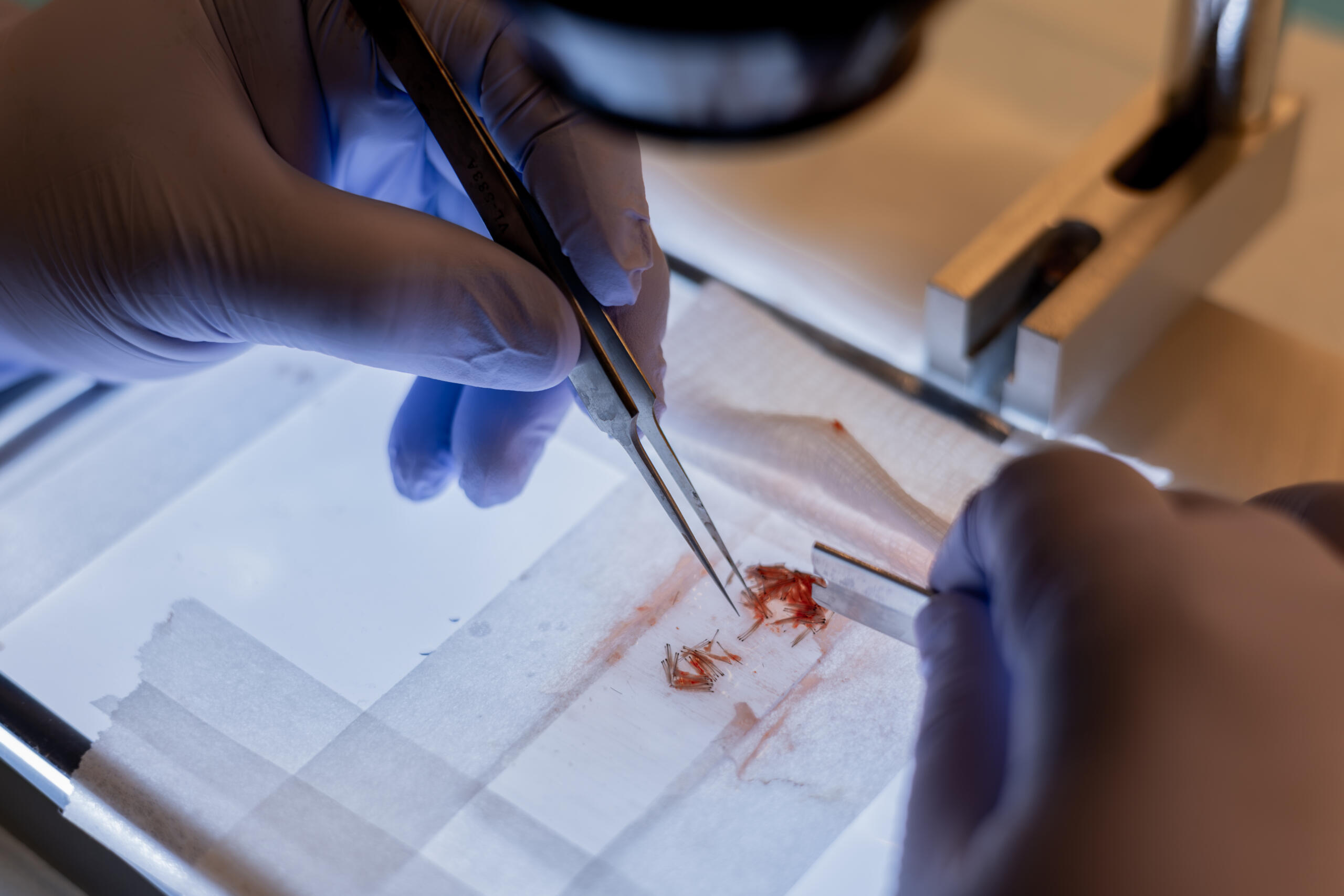
What to Expect During a Secondary Hair Transplant Procedure
Step 1:
Consultation
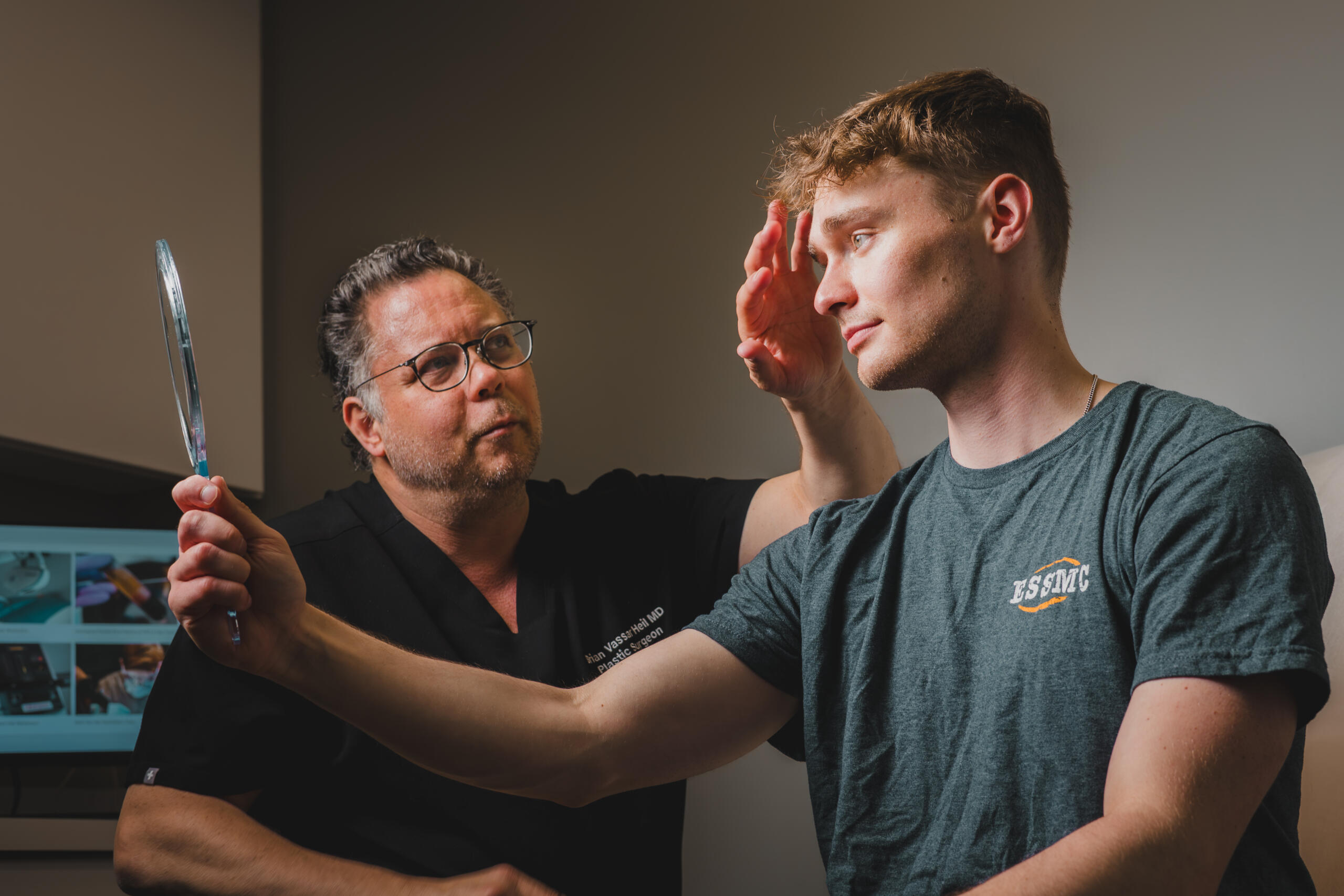
Your journey begins with a one-hour consultation with Dr. Heil. During this appointment, he examines the recipient areas, assesses the donor reserves, evaluates your previous procedure, and discusses what results are realistic. If you’re a good candidate, you’ll work together to develop a treatment plan and timeline.
Step 2:
Procedure
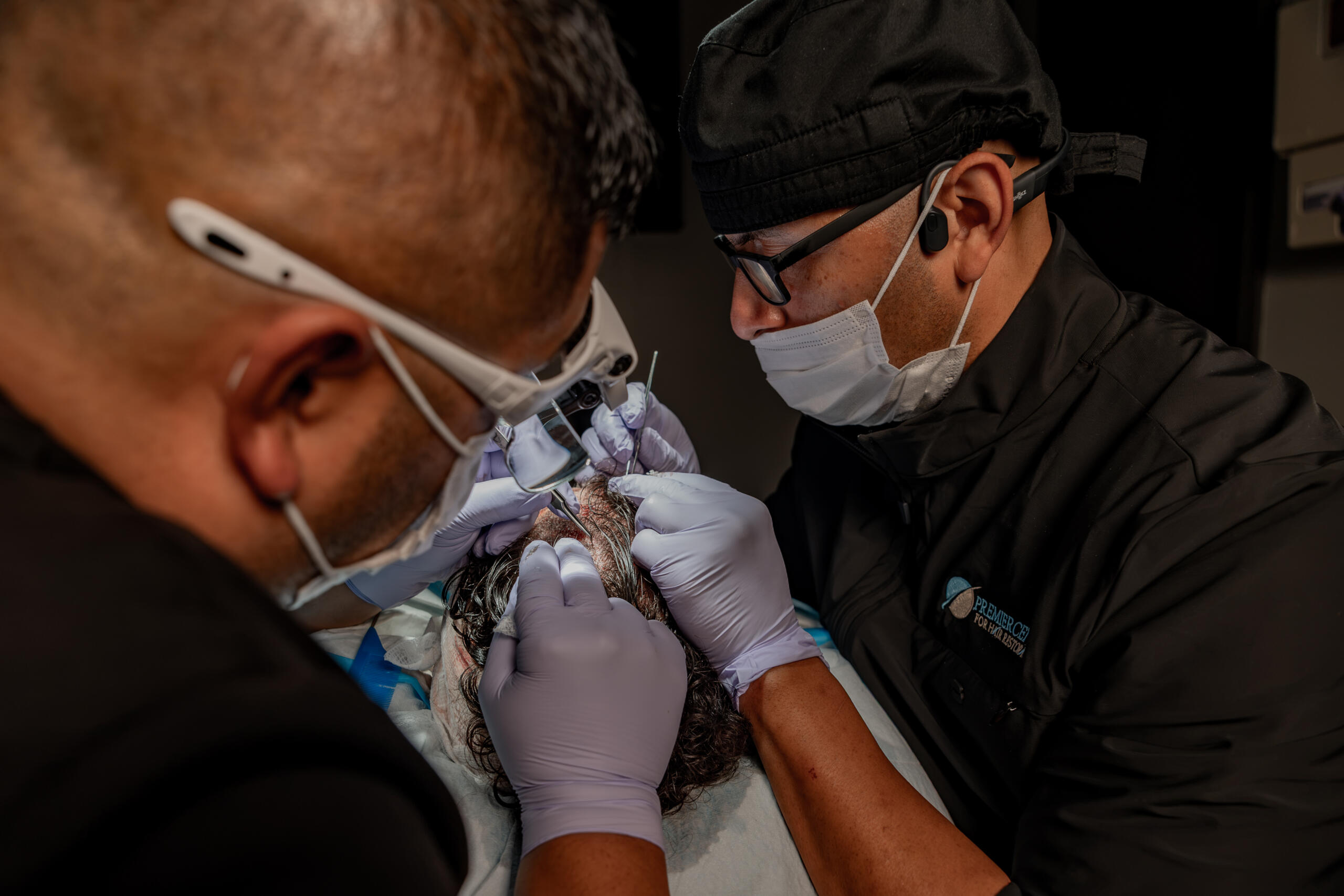
The procedure is performed under local anesthesia. You’ll be awake and comfortable throughout. Depending on the complexity of your case and the technique used, the procedure may take several hours. Dr. Heil works carefully with or around the existing grafts to ensure the final result looks natural.
Step 3:
Techniques
Dr. Heil employs many specialized techniques during secondary hair transplants. This includes: camouflage grafting to improve density and hair pattern, plug excision and redistribution to create a more natural result, hairline redesign to hide one of the most conspicuous indicators of inferior transplant work, and scar revision.
Step 4:
Timing
Certain revision cases can be completed in a single session; others benefit from a staged approach across multiple procedures. Dr. Heil will recommend the strategy that gives you the best chance of achieving your goals while preserving your donor resources for the future.
What Is Recovery Like After a Secondary Hair Transplant?
Recovery from a secondary hair transplant is typically similar to what you experienced after your first procedure. It may be easier in some ways since you already know what to expect.
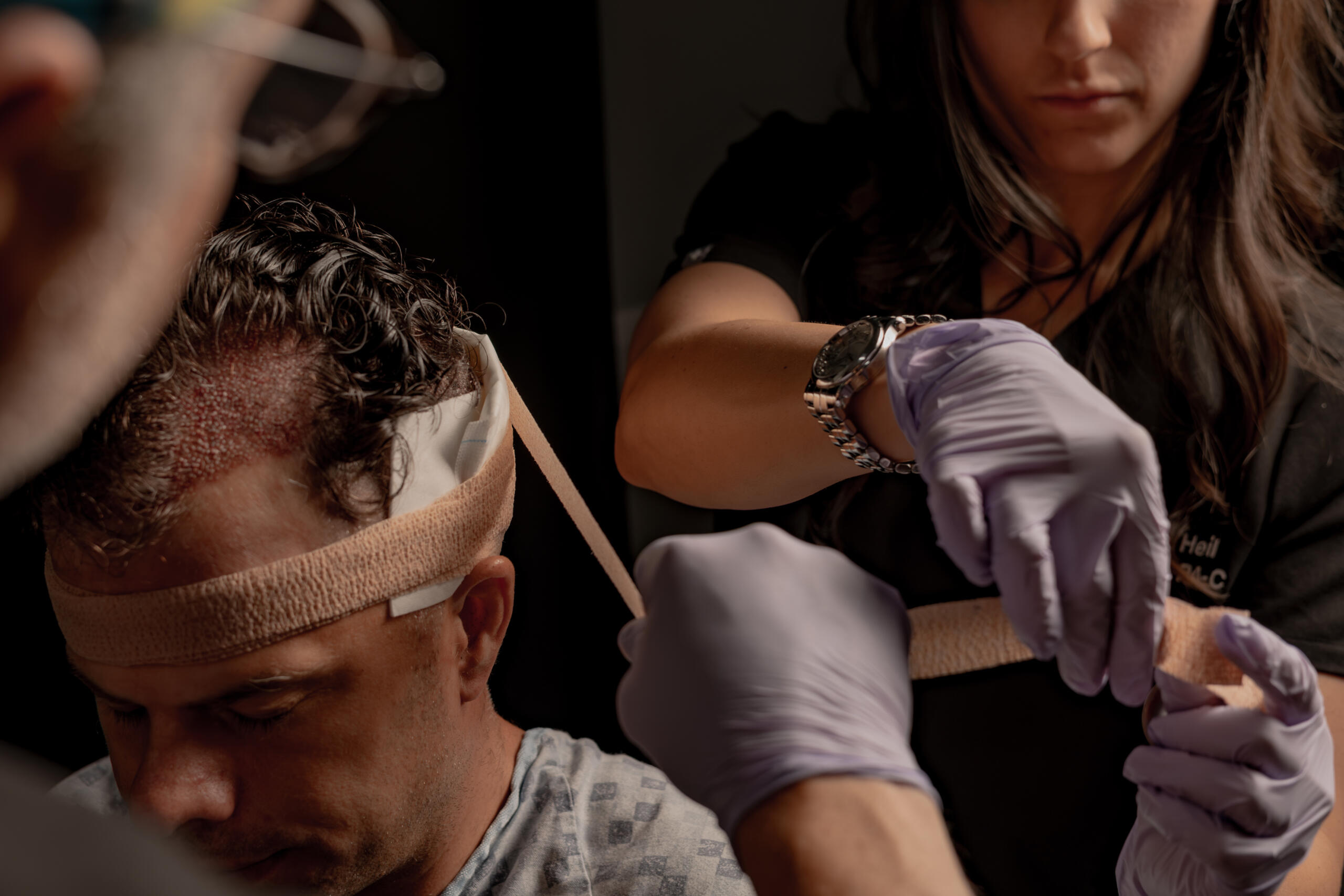
Most patients experience mild swelling, redness and moderate discomfort in the first few days. Tiny crusts form around each transplanted graft and usually fall off within one to two weeks. You’ll receive detailed aftercare instructions covering how to wash your hair, what products and activities to avoid, and when you can return to your normal routine.
Transplanted hairs typically shed within the first two to four weeks. The follicles remain viable beneath the surface and begin producing new hair around the three-month mark. Most patients see noticeable improvement by six months, with final results at 12 to 18 months.
What Results Can a Secondary Hair Transplant Achieve?
For patients correcting older or poorly executed work, a secondary transplant can convert artificial-looking plugs into natural hair that draws no unwanted attention. For patients seeking additional density or coverage for progressive hair loss, the results integrate naturally with the previously transplanted hair.
Transplanted follicles are permanent. Hair that grows from your transplant is programmed for lifelong survival because it’s harvested from donor areas resistant to the hormones that cause pattern baldness. With proper care and ongoing management of any continued native hair loss, your results can last for decades.
“I could not be more pleased with the results I received from my hair restoration with Dr. Heil and his staff. I am a year removed from my hair transplant and the results are amazing. If you are looking to feel more confident with a new hairline, I highly recommend working with Dr. Heil.”
— Pete K.
Am I a Candidate for a Secondary Hair Transplant?
The definitive way to determine whether a secondary hair transplant is right for you is a consultation with Dr. Heil.
Strong candidates generally meet the following criteria:
Adequate Donor Supply
Adequate donor supply: Your donor area must contain sufficient healthy follicles to support the planned procedure.
Sufficient Healing Time
Sufficient healing time: It’s best to wait a few months after your last procedure before having additional work in the same area.
Realistic Expectations
Realistic expectations: Understand that revision work may require patience and potentially multiple procedures to reach the final objective.
Good Overall Health
Good overall health: You should be healthy and have stabilized hair loss patterns or be actively managing ongoing loss with treatment.
Schedule Your Pittsburgh Secondary Hair Transplant Consultation
A hair transplant is an investment in yourself. If results you once loved have changed over time, or you were never happy with your results in the first place, a secondary hair transplant may be an option. Dr. Brian Heil and the team at the Premier Center for Hair Restoration have the expertise and technology to help patients throughout Pennsylvania, Ohio and West Virginia and beyond achieve the natural-looking results they’ve always wanted.
To take the next step toward correcting or enhancing your previous hair transplant, contact us at 412-709-3067 or request a consultation online.
Begin your Hair Restoration Journey Now
Whether you are just beginning to explore options or ready to schedule,
Premier Center for Hair Restoration is ready to help.




Brian Vassar Heil, MD, FACS has either authored or reviewed & approved this content